Cancer Care
 Heart Health
 Bone Health
 Brain & Spine Care
 Transplant


Dr Tan Guoping Kelvin
Orthopaedic Surgeon

Source: Shutterstock
Orthopaedic Surgeon
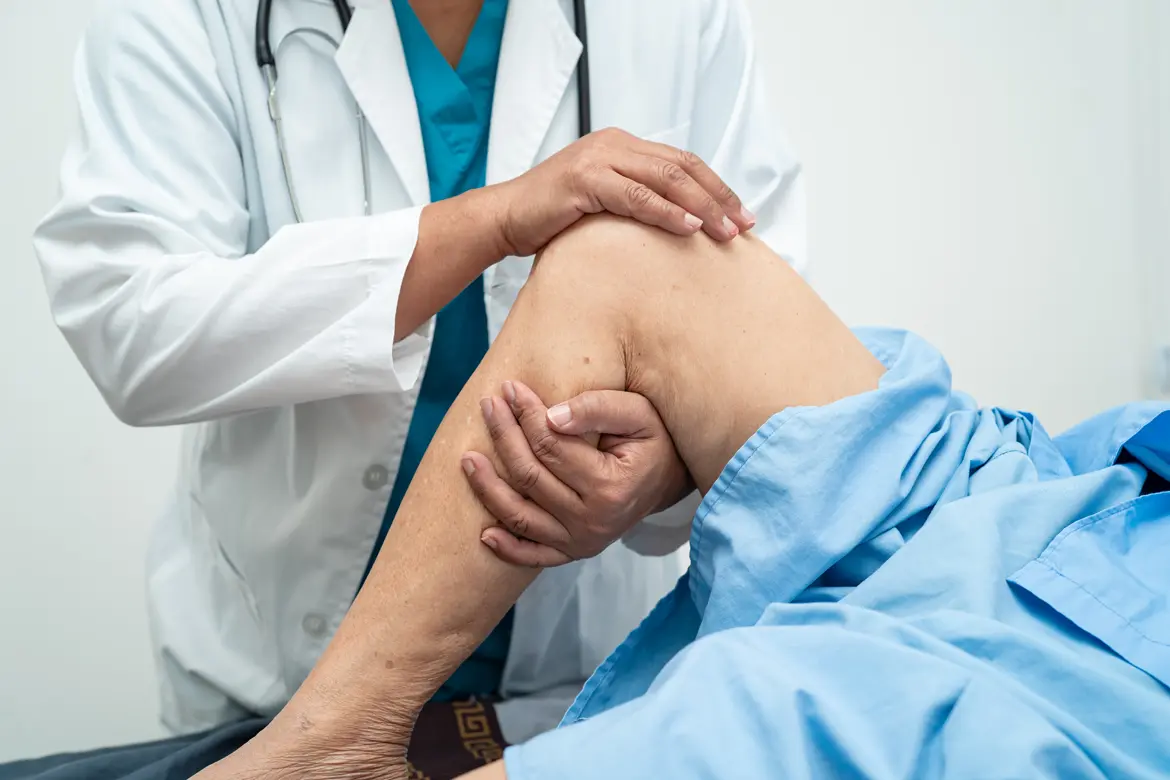
For many people, persistent knee pain can make even simple activities challenging. Thankfully, advances in surgical care — including the Early Recovery After Surgery (ERAS®) approach — have transformed the way patients experience knee replacement. Dr Kelvin Tan, orthopaedic surgeon at Gleneagles Hospital, shares how this approach focuses on preparation, comfort, and coordinated recovery to help patients return to an active lifestyle sooner.
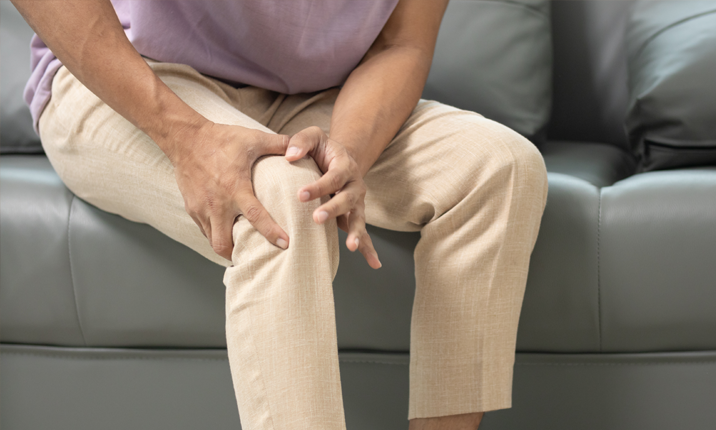
If knee pain is keeping you from doing what you love — whether that’s taking long walks, enjoying time with family, or simply climbing the stairs — you’re not alone. This pain often results from age-related wear and tear, injury, or conditions such as osteoarthritis.
When non-surgical options such as physiotherapy, medications, or injections no longer provide enough relief, your orthopaedic surgeon may recommend a knee replacement. While it’s most common in older adults, younger patients with significant joint damage may also benefit from the procedure.
Knee replacement surgery, or knee arthroplasty, involves removing the damaged portions of the knee joint and replacing them with artificial components made from metal and medical-grade plastic.
Some surgeons may use robot-assisted technology to enhance precision and alignment, allowing the procedure to be customised to each patient’s anatomy.
The Early Recovery After Surgery (ERAS®) approach is a structured, evidence-based care pathway that supports patients through every stage of surgery and recovery. It focuses on optimising preparation, improving pain control, promoting early movement, and ensuring coordinated care across the healthcare team.
Unlike traditional methods that focus mainly on the operation itself, the ERAS® approach looks at the entire journey — from pre-surgery preparation to post-surgery rehabilitation.
For knee replacement surgery, the ERAS® approach typically includes:
Together, these elements help patients regain mobility and independence more efficiently and comfortably.
Preparation plays a big role in successful recovery. Under the ERAS® approach, patients are guided to:
The ERAS® approach encourages minimally invasive surgical techniques where suitable, using smaller incisions to reduce tissue trauma and promote faster recovery.
Patients receive modern anaesthesia methods combined with multimodal, non-opioid pain management. This often includes local infiltration injections around the knee and/or regional nerve blocks. These techniques work together to reduce pain and discomfort while avoiding common anaesthesia side effects such as nausea, vomiting, giddiness, and excessive blood loss. They also enable patients to start moving earlier and more comfortably after surgery.
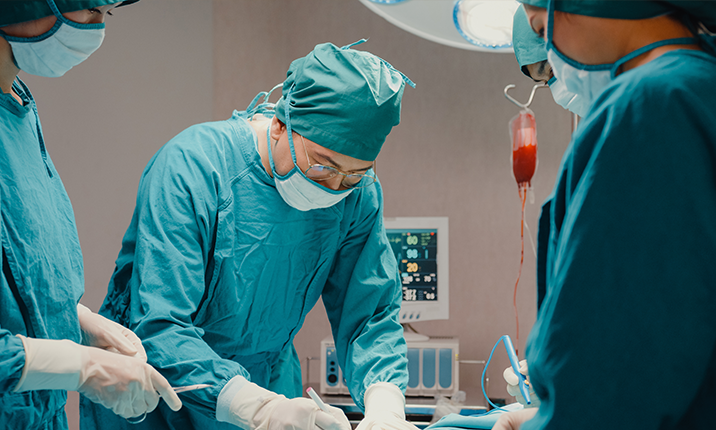
Throughout the operation, a multidisciplinary team — including surgeons, anaesthetists, and nurses — works closely to ensure safety, minimise blood loss, and support the best possible outcomes.
Recovery begins almost immediately after surgery.
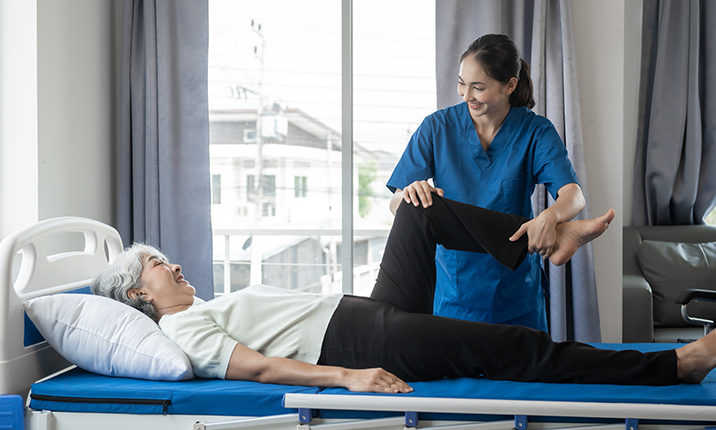
Post-surgery recovery continues at home with guided physiotherapy, a balanced diet, and regular follow-up visits. Over time, most patients experience less pain, better mobility, and a significant improvement in their quality of life.
Knee replacement surgery is a significant decision that should be made with careful consideration and guidance. With proper preparation, expert care, and a structured recovery plan such as the ERAS® approach, patients can be supported through a smoother recovery process.
If knee pain or stiffness is affecting your daily life, speak with an orthopaedic surgeon. They can assess your condition and guide you on whether surgery — or another form of treatment — may be right for you.

Getting a new knee may have sounded like science fiction a few decades ago, but a total knee replacement is now a relatively common procedure.
Not everyone who participates in sports knows about the risks involved – until they get hurt. Here are the top 5 serious sports injuries and how they can be treated.

Complications arising from diabetes and Peripheral Arterial Disease often result in patients losing a limb, but it does not have to be that way.

Professional athletes collect a score of injuries during their career. Singapore Slinger Wong Wei Long shares how he minimises sports injuries on the job.
You can better avoid risks that you know and understand. Here are some common injuries to be mindful of when participating in your favourite sport.

Back pain is increasingly common among office workers who sit down all day. Learn more about 3 spine treatments that can treat your back problems.
Mount Elizabeth Hospitals are part of IHH Healthcare, one of the world’s largest integrated healthcare networks.

Download the MyHealth360 app to access an array of medical services conveniently.


Get trusted medical advice from our specialists, dietitians and physiotherapists directly in your inbox.
Subscribe