Cancer Care
 Heart Health
 Bone Health
 Brain & Spine Care
 Transplant


Dr Chuah Sai Wei
Gastroenterologist


Source: Shutterstock
 Add as a preferred source on Google
Gastroenterologist
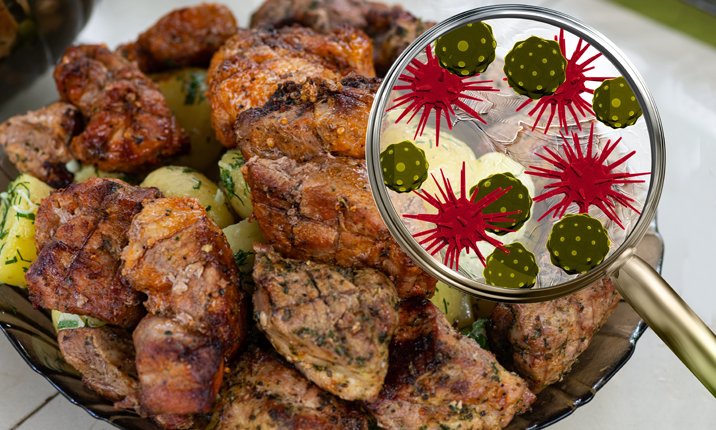
Food poisoning is a food-borne illness caused by eating contaminated food or drinks. It is also commonly referred to as traveller’s diarrhoea, a type of acute gastroenteritis.
Changes in hygiene standards, water quality, and food handling practices can increase your risk — but the good news is that most cases are preventable.
You may be more vulnerable to food poisoning if you:
If you fall into these groups, take extra precautions when travelling.

Ideally, visit a GP 4–6 weeks before travelling, especially if you are in a higher-risk group.
Even a last-minute consultation can still be helpful.

If you’re preparing your own kit, include:
1. Anti-nausea (anti-emetic) medication
Helps control vomiting — especially useful during long journeys.
2. Oral rehydration salts (ORS)
The most important treatment. These replace lost fluids and electrolytes from diarrhoea or vomiting.
3. Anti-diarrhoea medication
Can reduce bowel movement frequency when needed (e.g. during travel days).
⚠️ Avoid if you have fever or blood in your stool.
4. Antibiotics (if prescribed)
Most cases of food poisoning do not require antibiotics. They may be prescribed by a doctor for:
Always follow your doctor’s instructions.
Most cases are mild and improve within 1–3 days.
Even if you can’t eat, sip fluids regularly to prevent dehydration.
Seek medical attention if you have:
If symptoms are severe or disrupt your travel, a doctor may prescribe additional treatment, including antibiotics if needed.
Probiotics are sometimes used to prevent or manage diarrhoea.
They may be considered, but should not replace hydration or medical care.
There is no single vaccine that protects against all causes of food poisoning.
However, some vaccines (e.g. hepatitis A) may be recommended depending on:
Be mindful that vaccines do not replace safe food and hygiene practices.
It depends on the cause:
Some infections may only show symptoms days or even weeks after travel, so inform your doctor about recent trips if you fall sick.
A bout of food poisoning can also lead to post-infectious irritable bowel syndrome (IBS), where digestive symptoms persist even after the infection has cleared.
Food poisoning is common when travelling — but it’s largely preventable.
With good hygiene, careful food choices, and basic preparation, you can significantly reduce your risk and enjoy your trip with peace of mind.
Eat freshly cooked food, drink bottled or boiled water, and practise good hand hygiene.
Yes—it is a common form of food poisoning caused by contaminated food or water.
Not usually. Most cases resolve without antibiotics. They are only needed in more severe cases and should be prescribed by a doctor.
Hydration is key. Oral rehydration salts, rest, and simple foods help most people recover quickly.
Our Urgent Care Centre is here for you – around the clock, around the corner. Get timely treatment and support all day, every day of the year, including public holidays.
Find out more
Inflammatory bowel disease (IBD) and irritable bowel syndrome (IBS) can be difficult to differentiate. Dr Kelvin Thia explains.

The good news is that not all chest pain signals a heart problem. Dr Ooi Yau Wei explains the possible causes of chest pain and how to tell if the pain is heart-related.

Whether you’re heading for a summer vacation or going to see the northern lights in Iceland, here are 13 dreadful travel diseases and what you should know about them.

Heading off on holiday? Whether you plan to lie on the beach or explore a new city, prepare for any eventuality with our packing list.

Suffering from that familiar burning pain in your chest more than twice a week? Dr Poh Choo Hean explains what may be causing your pain.

The number of people with IBD has risen sharply in Asia and Singapore over the past few decades. Learn about your options to manage and treat IBD.

Our breast surgeon explains how to understand your risk, warning signs to know, why screening matters even when you feel well, and what surgery can look like today.

As knee osteoarthritis progresses, everyday activities can become more difficult. Our pain specialist and orthopaedic surgeon explain the treatment options available and how to find the right approach for you.

Dr Edwin Chng from Parkway Shenton explains why weight loss can slow down during medical weight management, and when it may be time to review your treatment plan.

Prostate cancer is common, often silent, and still diagnosed too late in Singapore. Urologist Dr Tan Yung Khan on what every man should know about screening, diagnosis, and treatment.

We answer common questions about haze, and how this can affect common chronic lung conditions such as asthma and chronic obstructive pulmonary disease (COPD), and 8 simple tips to protect ourselves against it.

Our neurosurgeon, Dr Vincent Ng, explains the factors specialists consider when deciding whether a brain aneurysm should be monitored or treated, and what the different treatment options involve.
Mount Elizabeth Hospitals are part of IHH Healthcare, one of the world’s largest integrated healthcare networks.

Download the MyHealth360 app to access an array of medical services conveniently.


Get trusted medical advice from our specialists, dietitians and physiotherapists directly in your inbox.
Subscribe