-
-
Our Expertise
 Cancer Care
 Heart Health
 Bone Health
 Brain & Spine Care
 Transplant


Source: Getty Images
Fight the Flu: 4 Reasons Why You Should Get a Flu Vaccine
Last updated: Thursday, June 30, 2022 | 4 min reading time
 Add as a preferred source on Google
A shot today keeps the flu away. Dr Chew Chun Yang, family physician at Parkway Shenton Medical Clinic in Serangoon Central, explains why you should get an annual vaccine for protection against seasonal flu.
Adopting a healthy, active lifestyle with a balanced diet, ample exercise and good hygiene practices go a long way in enabling us to stay safe and healthy.
But with life transitioning to a post-pandemic normal and many of us making plans to travel the world again, it may be time to consider ramping up our personal protection and taking precautions against other commonly encountered illnesses such as influenza, more commonly referred to as the flu. After all, the last thing we’d want to contend with is having to suffer through the symptoms and anxiously decipher whether we’re down with COVID-19, a cold, or the seasonal flu.
Dr Chew Chun Yang, family physician at Parkway Shenton Medical Clinic in Serangoon Central, shares more about the flu and 4 reasons why we should get the flu vaccine annually.
1. The flu spreads easily

Influenza, commonly known as “the flu”, is an endemic disease around the world. It is a respiratory infection caused by the influenza virus. There are two distinct flu seasons in temperate countries, while in tropical regions, outbreaks occur throughout the year.
A highly infectious disease, the flu usually spreads by respiratory droplets when an infected person coughs, sneezes or even speaks. Infection happens when a person comes into contact with a contaminated surface and then touches his or her eyes, nose or mouth.
Anyone (including the healthiest among us) can catch the flu, and serious problems related to flu can occur at any age. However, some people are more likely to get complications if they fall sick with flu.
2. The flu can be nasty
The flu is generally a more severe disease than the common cold. Flu symptoms often consist of fever, headache, body ache, sore throat, runny nose or stuffy nose, cough and fatigue. Some people may also experience vomiting and diarrhoea, though this is more common in children than in adults.
The flu can also lead to serious complications such as pneumonia, middle ear infections, sinus infections, meningitis and worsening of chronic medical conditions like congestive heart failure, asthma exacerbation or other lung diseases. At its worst, it may even cause death!
The following groups of people are at higher risk of developing complications from a flu infection, which is why they’re highly recommended to receive a flu vaccination for protection:
- Young children between 6 months to 5 years of age
- Seniors aged 65 years or older
- Children and adults with chronic medical conditions including but not limited to: lung diseases (e.g. asthma), heart diseases, metabolic diseases (e.g. diabetes), kidney diseases, neurologic disorders (e.g. stroke), liver diseases, or blood disorders (e.g. leukemia)
- Children and teenagers who are receiving long-term aspirin therapy and therefore might be at risk for developing Reye’s syndrome after a flu infection
- Anyone with a weakened immune system as a result of medical treatment or disease such as human immunodeficiency virus (HIV)
- Women at all stages of pregnancy
3. Vaccinations offer flu protection
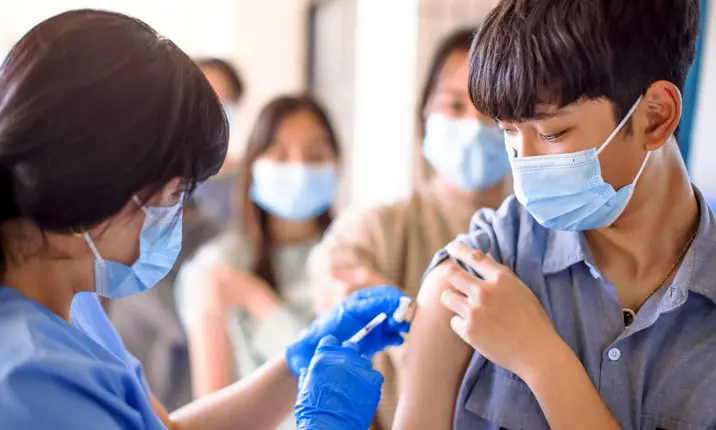
The quadrivalent flu vaccine, which is available at all Parkway Shenton clinics, offers effective protection against the flu.
The vaccine contains inactivated (killed) influenza virus strains. When it is injected into the arm intramuscularly, it will trigger an immune response towards influenza and better prepare our bodies to fight against infection should we ‘encounter’ the virus later.
This flu vaccine is very safe with most reactions being mild. Some of the more common reactions include pain, redness and/or swelling at the injection site, body aches, fatigue, headaches and fever. Paracetamol may be taken to relieve these symptoms if they are experienced. Serious reactions to the flu vaccine are very rare.
4. The vaccines for COVID-19 and flu are different
If you’ve already been vaccinated against COVID-19, you may wonder if you still need to receive a flu vaccine. The answer is “yes”, because while the symptoms of COVID-19 and flu may be similar, they are actually due to different viruses.
COVID-19 vaccines do not protect against influenza. Similarly, influenza vaccines do not offer protection against COVID-19 infection.
You will still need to take the flu vaccine if you have taken COVID-19 vaccines. In general, it is recommended to wait an interval of 2 weeks between getting a COVID-19 vaccine and other non-COVID-19 vaccines.
The flu vaccine is available at all Parkway Shenton clinics with subsidies available for CHAS, Pioneer or Merdeka Generation cardholders. Speak to any of our doctors at Parkway Shenton to learn more about how a flu vaccination can help protect you and your family today.
Prioritise Your Health with Parkway Plus
Staying well starts with access to the right care. Whether it’s vaccinations, health screenings, or fitness training, preventive care helps you stay ahead of potential health issues.
Enjoy member rates on a wide range of medical services and wellness offerings at Parkway Shenton, Parkway MediCentre, our sister hospitals within the IHH Healthcare Singapore network, and partner brands.
Simply download the MyHealth360 app and flash your Parkway Plus card at participating clinics and partners.

Related Articles
View all
How to Fight Off the Flu
What is influenza, and what flu vaccinations can you get to protect yourself against it?


Flu Season: How to Avoid Catching the Flu
Stay healthy this flu season by learning how to identify key symptoms and prevention methods.

Why You Should Get a Flu Vaccine
With flu viruses leading up to 3 – 5 million severe illness cases a year, here’s why you should get a flu vaccine.

Debunking 10 Myths about Childhood Vaccines
Equip yourself with these facts on childhood vaccines and find out why vaccinating your child is important.

How Do Vaccines Work?
Vaccines are critical in preventing and controlling infectious diseases. Read on to learn more about vaccines and how they work.
Latest Articles
View All
Ask our Doctor: What are Breast Cancer Risks and Early Signs?
Our breast surgeon explains how to understand your risk, warning signs to know, why screening matters even when you feel well, and what surgery can look like today.

Knee Osteoarthritis: What To Do When Knee Pain Gets Worse?
As knee osteoarthritis progresses, everyday activities can become more difficult. Our pain specialist and orthopaedic surgeon explain the treatment options available and how to find the right approach for you.

Weight Loss Has Plateaued. Does Your Treatment Need to Change?
Dr Edwin Chng from Parkway Shenton explains why weight loss can slow down during medical weight management, and when it may be time to review your treatment plan.

Ask Our Doctor: How Is Prostate Cancer Detected and Diagnosed?
Prostate cancer is common, often silent, and still diagnosed too late in Singapore. Urologist Dr Tan Yung Khan on what every man should know about screening, diagnosis, and treatment.

A Guide to Haze Season in Singapore: 8 Tips to Stay Healthy
We answer common questions about haze, and how this can affect common chronic lung conditions such as asthma and chronic obstructive pulmonary disease (COPD), and 8 simple tips to protect ourselves against it.

Diagnosed With a Brain Aneurysm? Here's What Happens Next
Our neurosurgeon, Dr Vincent Ng, explains the factors specialists consider when deciding whether a brain aneurysm should be monitored or treated, and what the different treatment options involve.