


 Cancer Care
 Heart Health
 Bone Health
 Brain & Spine Care
 Transplant


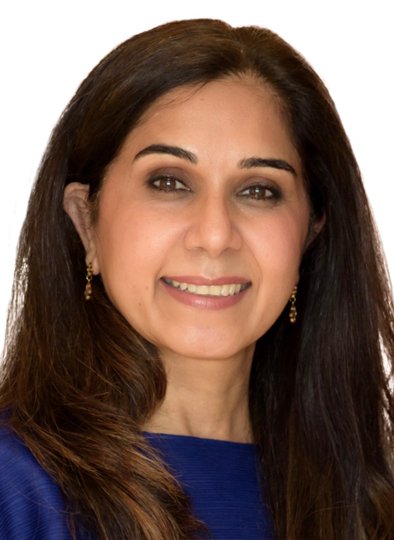
Dr Anupriya Agarwal
Obstetrician & Gynaecologist

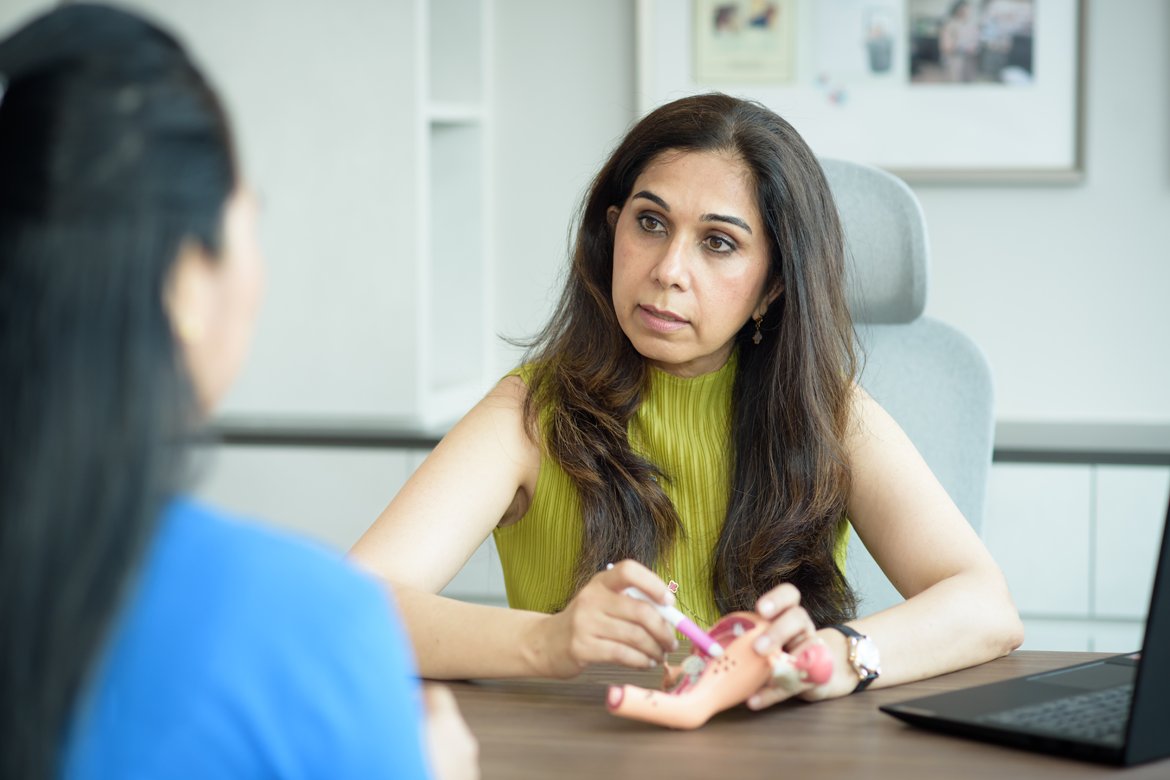
Source: Dr Anupriya Agarwal
 Add as a preferred source on Google
Obstetrician & Gynaecologist
Dr Anupriya Agarwal’s approach to women’s health is shaped by more than 25 years of clinical experience and her own fertility journey.
As the medical director at Mount Elizabeth Fertility Centre, she believes successful outcomes require more than medical intervention; they require caring for the body as a whole.
Dr Anupriya spent 17 years at National University Hospital leading benign gynaecology and minimally invasive surgery, later setting up the O&G clinic at Ng Teng Fong General Hospital before moving to private practice in 2021. She has over 15 years of experience in infertility care and assisted reproductive procedures.
Her work in fertility preservation earned international recognition. In 2013, she performed an ovarian tissue cryopreservation and reimplantation, which resulted in two healthy babies for a menopausal cancer patient. For this achievement, she received the "Hind Rattan" (Jewel of India) award from the Vice President of India.
She is a core member of the teaching faculty for the National University of Singapore residency programme and co-founded Helpingsgsfrontline, a volunteer organisation that earned the President's Volunteerism and Philanthropy Award in 2020.
Many people assume getting pregnant is straightforward, that it just happens.
What surprises patients most is how significantly modern lifestyles can affect fertility. But conception is actually a series of events that all need to line up together.
Age is a major factor in fertility. People are postponing pregnancy much later than before. My mother had her first child in her early 20s, I conceived in my late 20s, and today many women wait until their mid-to-late 30s. Some see celebrities having babies at 45 or 47 and assume it is easy, without realising they may be using donor eggs or have frozen their eggs earlier.
Weight is another important factor. Easy access to processed food, the popularity of sugary drinks and reduced exercise mean we are becoming heavier as a society. Excess weight can disrupt hormones and increase the risk of conditions such as polycystic ovarian syndrome (PCOS).
Then there are mental stress and disrupted sleep from constant social media use, as well as the growing culture of ordering in food. The frequent use of disposable plastic containers raises concerns about microplastic exposure, which can interfere with hormonal balance. We are seeing more fibroids, polyps and hormonal imbalances that may be linked to these lifestyle factors.
There are a few key red flags to look out for.
If you are of normal weight, under 35 years old, have regular menstrual cycles, no medical issues, and your periods are not very painful, you can try for up to one year before seeking help.
However, if you are over 35, or if you have medical conditions such as thyroid problems, irregular or very painful periods, or painful sex, you should see a fertility specialist within six months of trying.
One point many people misunderstand is what counts as “actively trying”. If you have not used any contraception for one year and have not conceived, that is considered active trying.
The average age of patients in my clinic is around 36 to 37, and we hope to change that.
Many women come to us at a stage where they already require more intensive and invasive treatments such as IVF. Seeking help earlier allows time to address underlying issues and make lifestyle changes before treatment becomes more complex.
I had fallopian tube issues from tuberculosis, plus mild polycystic ovarian syndrome. My husband and I tried various treatments, but nothing worked until I stepped back from work and focused seriously on my lifestyle. I had more time to eat properly, exercise, and manage stress. That was when I conceived naturally, without any treatment.
That experience fundamentally shaped how I practise medicine. It taught me that fertility is not just about medical intervention, but about caring for the body as a whole. When patients come in with fertility issues, they are often highly motivated, even though change can feel overwhelming. I encourage them to start small rather than trying to change everything at once but to take clear, structured steps and see how lifestyle modifications affect their egg quality and overall reproductive health.
The biggest shift comes when they begin to feel better. Patients notice improvements quickly. They tell me their bloating has gone, they have lost weight or dropped a dress size, and they feel more confident. That is when they realise this journey is not only about getting pregnant, but about long-term health and wellbeing.
In 2013, a 25-year-old woman facing chemotherapy for thigh cancer risked losing her fertility and entering menopause prematurely. At that time, ovarian tissue cryopreservation and reimplantation had been performed overseas but never in Singapore, making it a novel procedure in the region. We extracted and froze her ovarian tissue before she began the cancer treatment.
Four years later, after her recovery and marriage, she wanted babies. We thawed and reimplanted some of the frozen ovarian tissue, and within months she started having periods again. She then conceived naturally – twice. I delivered both babies. It was an emotional journey for all of us involved – we all cried when they were born.
For me, being a mother is a very important part of who I am. Motherhood taught me selfless giving and maturity, and I believe every woman should have the chance to experience this if she wishes.
The emotional aspect is huge. Many of my patients are high achievers who come in saying, "I've aced everything. Why can't I ace this?"
I encourage couples to work as a unit – when one feels low, the other must pull them up. I recommend five minutes of breathing exercises morning and night to lower cortisol levels, and doing something they genuinely enjoy – running, dancing, pottery, gardening. I also tell them to confide in someone close, like a mother or best friend, so they have an outlet beyond their partner.
I have close relationships with my patients and sometimes talk to each partner separately. If I sense deeper issues, I recommend couples' therapy – not just for IVF, but because they are bringing a child into this relationship. They need to be strong as a unit.
That you can get pregnant anytime. Women in their 20s are at peak fertility – 23 to 25 is when fertility is highest. After that, it declines. But this generation won't have children at 23 or 25 because they are just starting their careers and are not ready.
So, what I tell young women is: have the conversation. Don't assume you can wait until 45. Understand that fertility declines with age. If you want children eventually but don't have a partner or timeline, consider egg freezing. Singapore now offers this opportunity.
Some smart couples at 32 say, "We don't want babies now, but we're sure we want them later." They make embryos through IVF and freeze them or freeze eggs with women don’t have a Mr Right in sight. In Singapore, you can keep them frozen for several years. If you conceive naturally later, great. If not, you have embryos in the freezer.
I have had very open conversations with my children, a 24-year-old son and a 21-year-old daughter, often using experiences from my professional life. This has helped them understand the impact of age on fertility, and why it is important not to delay having children too much if that is something they want.
Beyond fertility, we talk a great deal about lifestyle and stress, and how these influence both health and decisions around having children. I emphasise that success is not just about money or career progression, but about happiness and contentment. Managing stress, maintaining balance and enjoying what you do help create the emotional and physical space to build a family when the time is right.
You need to listen to your body and be kind to it. Period pain, irregular cycles, fatigue, aches – these are signals that something isn't right. Don't ignore them.
We have lost that intuition. We are tuned into TikTok and Instagram, but not our own bodies. That is how diseases develop. By the time we notice, it is often too late.
Be kind to yourself – the world is already harsh enough. Listen to your body, heal it, nourish it with good food and rest, so it can be its best.
That is what I want every woman to understand, whether she is trying to conceive or not. This applies to all of us, always.
Since 1988, we’ve supported women and couples on their journey to parenthood with personalised fertility care, including those facing more complex challenges.
Learn more
A monthly breast self-examination 7 – 10 days after your period starts can save your life.

For those who may be planning on having a baby only after they step over the magic number of 40, here are some issues to consider.

Dr Kelly Loi discusses fibroids, how they affect fertility in women, and the ways to identify, evaluate and manage fibroids.

A breast cancer diagnosis does not mean having to lose your breast, now that many treatment options are available.

Eight myths you might believe about breast cancer screening, and the truth about it.

More women are being claimed by breast cancer now than before. Love them by encouraging them to go for breast screening.

Our breast surgeon explains how to understand your risk, warning signs to know, why screening matters even when you feel well, and what surgery can look like today.

As knee osteoarthritis progresses, everyday activities can become more difficult. Our pain specialist and orthopaedic surgeon explain the treatment options available and how to find the right approach for you.

Dr Edwin Chng from Parkway Shenton explains why weight loss can slow down during medical weight management, and when it may be time to review your treatment plan.

Prostate cancer is common, often silent, and still diagnosed too late in Singapore. Urologist Dr Tan Yung Khan on what every man should know about screening, diagnosis, and treatment.

We answer common questions about haze, and how this can affect common chronic lung conditions such as asthma and chronic obstructive pulmonary disease (COPD), and 8 simple tips to protect ourselves against it.

Our neurosurgeon, Dr Vincent Ng, explains the factors specialists consider when deciding whether a brain aneurysm should be monitored or treated, and what the different treatment options involve.
Mount Elizabeth Hospitals are part of IHH Healthcare, one of the world’s largest integrated healthcare networks.

Download the MyHealth360 app to access an array of medical services conveniently.


Get trusted medical advice from our specialists, dietitians and physiotherapists directly in your inbox.
Subscribe