


-
-
Our Expertise
 Cancer Care
 Heart Health
 Bone Health
 Brain & Spine Care
 Transplant


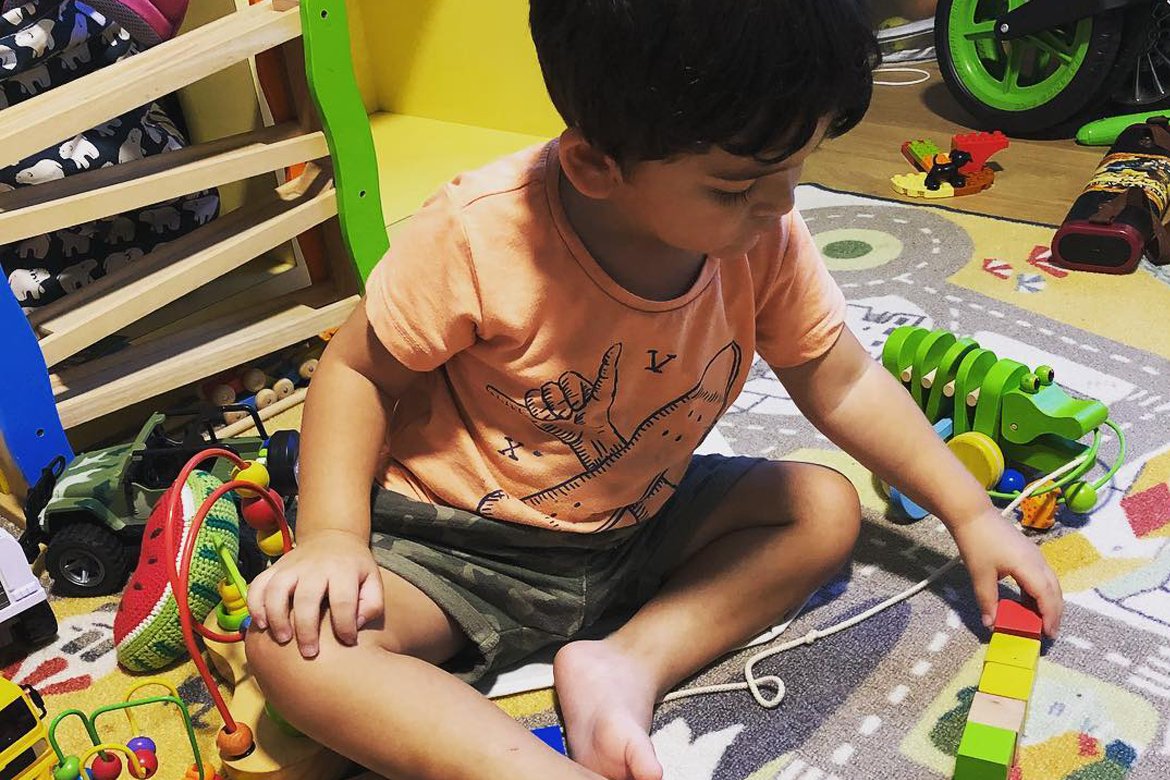
Dealing with Burns and the Role of Health Insurance for Children
Last updated: Tuesday, March 31, 2026 | 5 min reading time
 Add as a preferred source on Google
After a toddler suffered serious burns from hot soup, prompt treatment and health insurance helped his family manage hospital care and focus on recovery.
When accidents happen, they often come without warning. And few things are more frightening and painful than burns.
For parents, the terror and heartbreak of watching your child suffer a serious injury is excruciating. Unfortunately, that was the reality for Aria and her husband when their two-year-old son, Idris, sustained painful burns from a bowl of hot soup. What followed next was a race against time, critical hospital care, and the realisation of just how valuable comprehensive health insurance can be.
A simple meal turns into an emergency
Sunday mornings were usually carefree for Aria’s family. A quick trip to the neighbourhood coffee shop for breakfast, some grocery shopping, and a stop by the bakery. But one such morning, while enjoying their simple breakfast, Idris, playful and restless like most toddlers, lost his balance. In an attempt to steady himself, he grabbed onto the nearest thing to him; a steaming bowl of fish soup. The bowl toppled, spilling scalding liquid across his torso.
“The moment it happened, he screamed in pain. When we lifted his shirt, we saw red, blistered skin. It was terrifying,” Aria recalled.
First aid and a dash to the hospital

Panicked and hysterical, both Aria and her husband had to think quickly on their feet. Recalling advice from their basic first aid training, they immediately rushed him to the toilet nearby and placed Idris under cool running water. This helped to reduce further skin damage from the hot liquid and gave Idris temporary relief from the pain.
After about 20 minutes of cooling the burns, the family rushed to a nearby clinic, but the doctor urged them to go straight to the emergency department. With help from a relative, they quickly arrived at Mount Elizabeth Novena Hospital, where triage nurses and a plastic surgeon with paediatric burn expertise attended to Idris within minutes.
Idris was given pain relief medication and was quickly distracted by the kind and thoughtful nurses who entertained him. The specialist diagnosed Idris with second- to third-degree burns. Aria and her husband were informed about the subsequent procedures that would have to take place in order to ensure Idris’ full recovery. It was a daunting experience, but they knew they were in good hands.
That same day, Idris underwent the first of two surgeries, called debridement, to remove damaged skin and promote healing.
“Watching your child go through that is every parent’s worst nightmare. But we knew it had to be done,” Aria shared.
What is debridement?
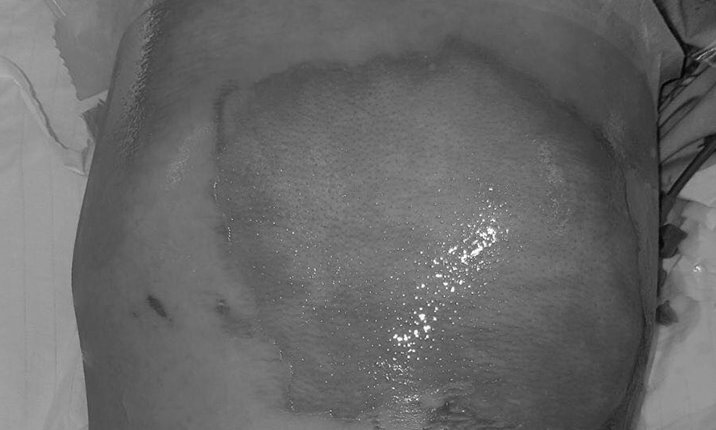
Debridement is a surgery to gently remove burnt or damaged skin so that the healthy skin underneath can heal. The patient is placed under general anaesthesia, which means they are fully asleep and comfortable throughout the procedure. This step lowers the risk of infection and helps new skin grow.
After the surgery, the wound is cleaned and covered with a moist dressing, and sometimes doctors may follow up with a skin graft if the burn is more serious. Though it may sound intimidating, debridement is a routine and important part of recovery for children with deeper burns.
Hospitalisation and recovery
Idris’ debridement procedure went well and he remained warded for almost a week, receiving constant monitoring and wound care. His treatment included moist dressings to support healing and IV drips to prevent dehydration, common among burn patients.
“Every few hours, his bandages had to be checked and changed. It was a painful process, but the medical team made sure he was as comfortable as possible,” Aria said.
As the days passed, Idris got used to the dressing around his tummy, playfully wandering the halls of his ward while giving high fives to his nurses. After his second debridement procedure, Idris was cleared for discharge but he still had to return for regular follow-ups with his surgeon to ensure that he was recovering well. Aria and her husband had to change his dressings daily and keep the area clean to allow for optimal recovery.
Throughout the whole ordeal, even during the post-hospitalisation period, Aria and her husband could focus solely on his recovery. Thankfully when Idris was born, Aria’s husband had bought an Integrated Shield Plan for him.
So, Idris’ Integrated Shield Plan covered his hospitalisation bills and all post-hospitalisation consultations, giving the family peace of mind during his recovery.
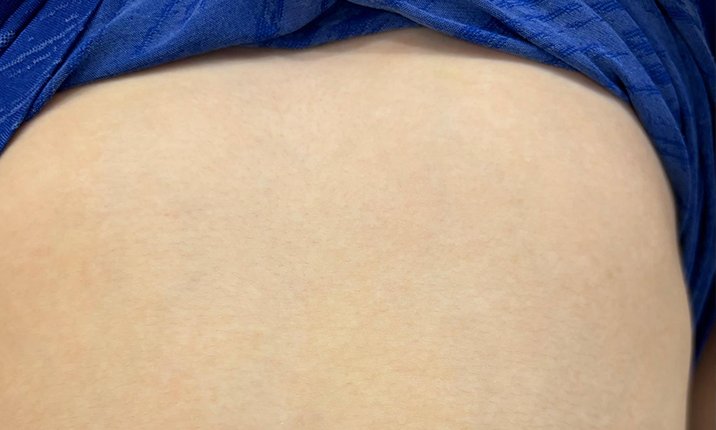
Today, more than seven years later, Idris shows no visible scars, a testament to timely treatment and expert care.
How health insurance made a difference
During the chaos of the incident, insurance was the last thing on Aria’s mind. Her priority was Idris’ safety, comfort, and recovery. But once the dust settled, their insurance agent confirmed that Idris’ Integrated Shield Plan fully covered the hospitalisation, surgical procedures, and follow-up reviews.
“We didn’t have to hesitate about choosing private specialist care. Knowing we were covered meant we could focus only on our son’s recovery,” Aria explained.
Since April 2021, policyholders with new Integrated Shield Plan riders are required to co-pay at least 5% of their hospital bill. Even with this change, comprehensive insurance continues to protect families from overwhelming medical costs by absorbing the bulk of expenses.
Lessons for parents: Plan ahead
Looking back, Aria is deeply thankful that her family purchased health insurance soon after Idris was born.
“It saved us from a huge financial strain,” she said. “In an emergency, you don’t want to be worrying about money. You just want your child to receive the best care available.”
She encourages other parents to:
- Review their coverage regularly: Understand what is and isn’t included in your plan.
- Supplement basic insurance: Relying only on MediShield Life is not enough, especially if you want quick and comprehensive specialist care.
- Work with a trusted advisor: Having clarity on your policy helps when emergencies strike.
A reminder about the value of coverage
Aria’s experience is a sobering reminder that life can change in an instant, especially when you least expect it. Burns and other accidents are unpredictable, but having the right protection ensures families can focus on healing instead of financial stress.
For Idris, insurance meant more than just paying hospital bills, it meant access to immediate, specialised treatment and the best chance of a full recovery.
Health emergencies often happen without warning. Understanding your health insurance ahead of time can help you make confident decisions when it matters most.
Know your coverage, before you need it
Get a personalised overview of your insurance coverage, including treatment eligibility, possible out-of-pocket costs and useful insurance tips to help you plan ahead.
Learn moreRelated Articles
View all
6 Myths about Your Private Healthcare Bill
Have you ever wanted to seek treatment in a private hospital but held back because of how hefty the cost might be? Here are 6 myths about private hospital bills you might have bought into.

Understanding Health Insurance Coverage for Private Hospitals in Singapore
Many of us find it challenging to understand our insurance coverage. But it is important that we know what it means, so you can make the most out of it.

How to Keep Your Kid Healthy for the Exams
Although exams may be a stressful period for everyone at home, it doesn't have to take a toll on your child's health. Here are 6 ways to make sure your child is in their best condition for the exams.

9 Healthy Family Activities for the Holidays
9 healthy activities that you can do as a family to strengthen family ties, kill boredom and improve your overall health at the same time.

Parents' Handy Guide to Pink Eye
Dr Leonard Ang, ophthalmologist, guides you on the causes of pink eye (conjunctivitis) and what to do when it occurs.

5 Science-Backed Reasons You Should Let Your Child Play More
Not all play needs to be focused around education. During the holidays, playing just for fun can have its own health benefits for your child. Here are some of them.
Latest Articles
View All
Ask our Doctor: What are Breast Cancer Risks and Early Signs?
Our breast surgeon explains how to understand your risk, warning signs to know, why screening matters even when you feel well, and what surgery can look like today.

Knee Osteoarthritis: What To Do When Knee Pain Gets Worse?
As knee osteoarthritis progresses, everyday activities can become more difficult. Our pain specialist and orthopaedic surgeon explain the treatment options available and how to find the right approach for you.

Weight Loss Has Plateaued. Does Your Treatment Need to Change?
Dr Edwin Chng from Parkway Shenton explains why weight loss can slow down during medical weight management, and when it may be time to review your treatment plan.

Ask Our Doctor: How Is Prostate Cancer Detected and Diagnosed?
Prostate cancer is common, often silent, and still diagnosed too late in Singapore. Urologist Dr Tan Yung Khan on what every man should know about screening, diagnosis, and treatment.

A Guide to Haze Season in Singapore: 8 Tips to Stay Healthy
We answer common questions about haze, and how this can affect common chronic lung conditions such as asthma and chronic obstructive pulmonary disease (COPD), and 8 simple tips to protect ourselves against it.

Diagnosed With a Brain Aneurysm? Here's What Happens Next
Our neurosurgeon, Dr Vincent Ng, explains the factors specialists consider when deciding whether a brain aneurysm should be monitored or treated, and what the different treatment options involve.


