-
-
Our Expertise
 Cancer Care
 Heart Health
 Bone Health
 Brain & Spine Care
 Transplant


Source: Shutterstock
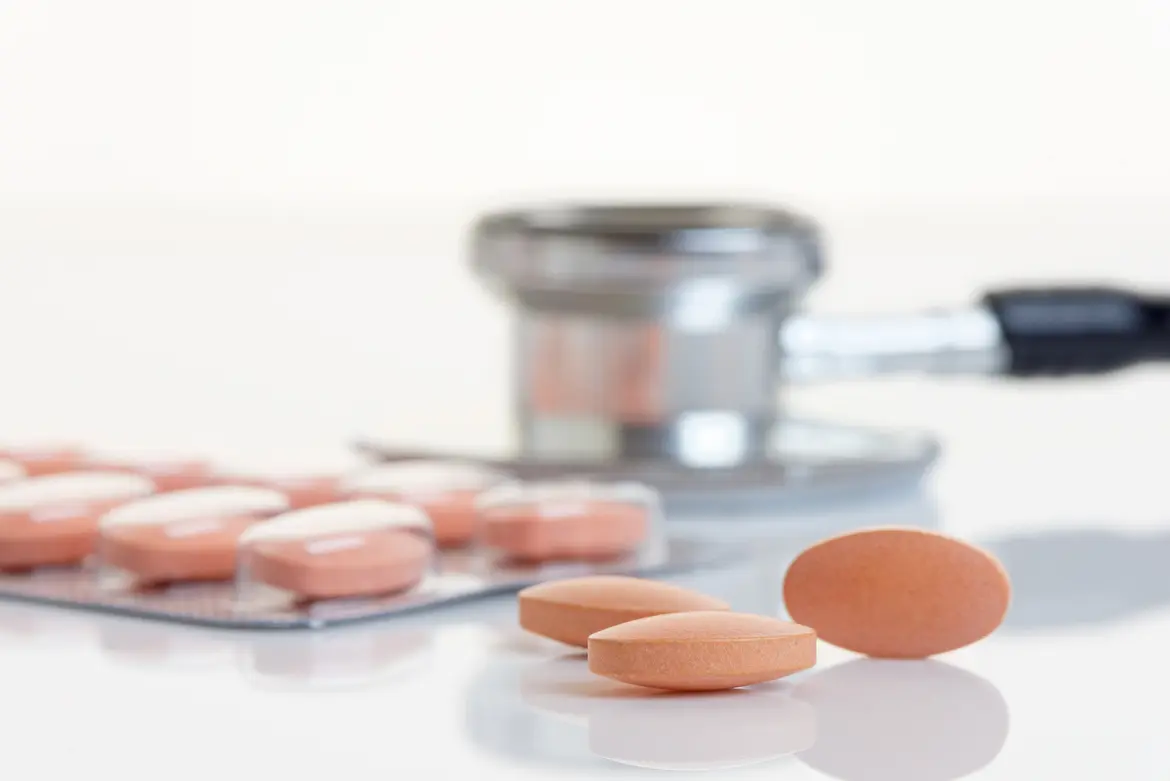
Developments that Help You Manage Your Cholesterol Level
Last updated: Wednesday, April 5, 2017 | 7 min reading time
 Add as a preferred source on Google
Some of us might have heard about ‘wonder’ drugs for cholesterol that can help melt the bad fat away.
We are also aware of some myths that have been around for some time now about cholesterol – 'cholesterol is good for you' or 'no, no it is bad for you', etc. We will try to address some of these in this article.
What exactly is cholesterol/LDL? What does it do?
Cholesterol is a waxy substance that is made in our liver. It also comes from certain foods. Cholesterol comes from the Greek word – chole (bile) and stereos (solid). The term 'cholesterine' was so coined in 1815 by Michel Eugene. Cholesterol is an essential component of cell membranes and of many hormones.
Cholesterol has many forms such as LDL, HDL and triglycerides, and it is important that you know the levels of each. LDL has been labelled as 'bad' because, while it supplies cholesterol from the liver to elsewhere in the body for essential functions, when excessive fat accumulates in the inner layers of the blood vessels, it causes furring up in the vessels with clogging (known as 'atherosclerosis'). This reduces blood flow contributing to heart and stroke disease.
Where does your cholesterol come from? How does bad cholesterol affect you?
Most of the cholesterol in the body is made by your liver but you get some from your diet as well. The liver produces more cholesterol when we eat a diet high in saturated and trans fats. If you have unhealthy cholesterol levels, elevated blood pressure, diabetes and smoke, then you have a higher risk of early and severe heart disease.
Other factors also play a part, such as the genes you inherit from your parents, your diet and lifestyle, weight, age and ethnicity (for instance South Asians are a higher risk group).
Does it matter where your fat is distributed?
Yes it does. There is emerging evidence (published in the Journal of the American College of Cardiology, by Lee et al.) that if you have higher volume and decreased density of fat in your abdomen, your cardiovascular risk is above and beyond risk prediction based only on BMI (body mass index) or waist circumference. This data was obtained from 1,106 patients followed up over 6 years in the renowned Framingham Heart Study, though we do not know if this is so with different ethnicities.
Cardiometabolic risk depends on the distribution of the fat where it may be harmful, especially in the abdomen. CT scans or MRI maybe the best way to measure this 'bad fat'.
What are PCSK9 inhibitors?
PCSK9 means proprotein convertase subtilisin/kexin type 9 and is a protein produced in the liver. The PCSK9 genetic locus was first described in a French family with FH and high LDL levels in 2003 in the journal, Nature Genetics. They are fully human monoclonal antibodies and were approved by the US Food and Drug Administration for patients with FH, or those at high risk who cannot lower their LDL cholesterol with statins.
How do PCSK9 inhibitors work?
LDL, the 'bad' cholesterol is cleared from the blood with the help of a LDL receptor in the liver cell which takes in the LDL and removes it from the blood.
Therefore the more LDL receptors you have the lower is your LDL cholesterol.
The PCSK9 protein, however, helps to destroy the LDL receptor. LDL therefore cannot enter the liver cells to be cleared and its levels go up in the blood. The PCSK9 inhibitors stop the destruction of LDL receptors, and with more LDL receptors available on liver cells, they are able to clear more LDL from the blood (Lose et al, 2013, Pharmacotherapy).
What is the evidence?
As monotherapy PCSK9 inhibitors, they have been shown to cause reduction of between 50 – 70% of LDL cholesterol levels as shown by Karen et al, in Lancet in 2012.
Alirocumab was the first PCSK9 inhibitor to be approved in the US and Evolocumab first PCSK 9 inhibitor to be approved in EU in 2015.
Alirocumab was tested in 2,341 patients in the Odyssey Long Term trial in 27 countries, over 78 weeks, and the result was published in the New England Journal of Medicine (NEJM). Alirocumab, when added to statin therapy at the maximum tolerated dose, reduced LDL cholesterol levels by approximately 62% and there was also evidence of a reduction in the cardiovascular events. Many other trials in the Odyssey program will be published in the coming years.
Sabatine et al, writing in the NEJM in March 2015 showed that in 4,465 patients enrolled in the Osler program as compared with standard therapy alone, Evolocumab reduced the level of LDL cholesterol by 61%.
What are the cons of PCSK9 inhibitors?
As they are monoclonal antibodies, they have to be injected every few weeks and not ingested. Also, one has to be aware that though these drugs were quite safe in the clinical trials, sometimes rare effects may come to the fore at a later stage. Side effects such as muscle aches and memory loss (0.9% in Osler trials) etc. have been noted and we may learn more over time. Also, they are relatively expensive at present.
Related Articles
View all
Key Factors to Consider when Choosing Hearing Aids
It is now possible to customise hearing aids and adapt them to an individual’s hearing loss, age, lifestyle, expectations and preferences.

Advanced Techniques for the Treatment of Kidney Cancer
Kidney cancer is a silent killer, with symptoms usually only showing up in its late stage. Learn about its causes and treatment.
Hope for Late-Stage Ovarian Cancer Patients
Dr Lim Hwee Yong, senior consultant oncologist at Mount Elizabeth Novena Hospital, sheds light on the symptoms, diagnosis and treatment of ovarian cancer.
Advances in Prostate Cancer Screening and Detection
Prostate cancer is one of the most common cancers in men but it is a difficult cancer to diagnose. Dr Eugene Ong and Dr Ng Chee Kwan talks about how advances in imaging technology benefits patients at risk of prostate cancer.

Drug Allergies
Allergic reactions to drugs can occur with use of any type of drug. It is important to seek medical advice if you suspect you have a drug allergy.
How is COVID-19 Testing Done?
ParkwayHealth Laboratory conducts diagnostic tests, also known as molecular PCR tests, using the Cobas 6800 System. Find out how Covid-19 testing is done and what makes it accurate.
Latest Articles
View All
Ask our Doctor: What are Breast Cancer Risks and Early Signs?
Our breast surgeon explains how to understand your risk, warning signs to know, why screening matters even when you feel well, and what surgery can look like today.

Knee Osteoarthritis: What To Do When Knee Pain Gets Worse?
As knee osteoarthritis progresses, everyday activities can become more difficult. Our pain specialist and orthopaedic surgeon explain the treatment options available and how to find the right approach for you.

Weight Loss Has Plateaued. Does Your Treatment Need to Change?
Dr Edwin Chng from Parkway Shenton explains why weight loss can slow down during medical weight management, and when it may be time to review your treatment plan.
Ask Our Doctor: How Is Prostate Cancer Detected and Diagnosed?
Prostate cancer is common, often silent, and still diagnosed too late in Singapore. Urologist Dr Tan Yung Khan on what every man should know about screening, diagnosis, and treatment.

A Guide to Haze Season in Singapore: 8 Tips to Stay Healthy
We answer common questions about haze, and how this can affect common chronic lung conditions such as asthma and chronic obstructive pulmonary disease (COPD), and 8 simple tips to protect ourselves against it.

Diagnosed With a Brain Aneurysm? Here's What Happens Next
Our neurosurgeon, Dr Vincent Ng, explains the factors specialists consider when deciding whether a brain aneurysm should be monitored or treated, and what the different treatment options involve.