


-
-
Our Expertise
 Cancer Care
 Heart Health
 Bone Health
 Brain & Spine Care
 Transplant



Source: Getty Images
Sleep Secrets Unveiled: How Much Sleep Do You Really Need?
Last updated: Friday, February 28, 2025 | 4 min reading time
 Add as a preferred source on Google
Sleep is an integral part of our lives. How much sleep do you need at different stages in your lifetime, and what happens when you don’t get enough of it?
Sleep is vital for our physical health, cognitive functioning, and emotional well-being. There seems to be an ongoing debate over a seemingly straightforward question: “How much sleep do I really need?”
The answer to this question is far from one-size-fits-all. The amount of sleep you need varies significantly over the course of your lifetime. It depends on your age, lifestyle, overall health, and other individual factors. Learn more about sleep requirements and general guidelines for different age groups. The National Sleep Foundation’s guidelines provide a helpful starting point. Here are their recommended sleep durations per day based on age:
How much sleep do newborns and children need?
- Newborns (0 – 3 months): 14 – 17 hours
- Infants (4 – 11 months): 12 – 15 hours
- Toddlers (1 – 2 years): 11 – 14 hours
- Preschoolers (3 – 5 years): 10 – 13 hours
- School age children (6 – 13 years): 9 – 11 hours
How much sleep do teenagers need?
- Teenagers (14 – 17 years): 8 – 10 hours
- Younger adults (18 – 25 years): 7 – 9 hours
How much sleep do adults need?
- Adults (26 – 64 years): 7 – 9 hours
- Older adults (65+ years): 7 – 8 hours
While these ranges provide general guidance, individual sleep needs may vary. Factors like stress, physical activity, overall health, and sleep quality can influence the amount of sleep you need.
Why are sleep requirements different as we grow older?

Sleep requirements change as we age due to various physiological, neurological, and lifestyle factors. During infancy and childhood, the body undergoes significant growth and development, necessitating more sleep. As we transition into adulthood, our sleep requirements decrease, and the pattern tends to remain relatively stable throughout adulthood.
In older adults, multiple factors, including changes in circadian rhythms, increased prevalence of health conditions, and medication usage, often lead to alterations in sleep patterns, such as more frequent awakenings and less time spent in deep sleep stages.
What happens when we don’t get enough sleep?
When we don't get enough sleep, it impacts various aspects of our health and well-being:
- Cognitive impairment: Sleep is crucial for cognitive functions such as memory, attention, and learning. Sleep deprivation can impair these functions, leading to reduced productivity and performance.
- Mood disorders: Lack of adequate sleep can lead to mood disturbances, increased stress, anxiety, and even depression.
- Physical health: Chronic sleep deprivation is associated with an increased risk of several health problems, including cardiovascular disease, diabetes, obesity, and a weakened immune system.
- Safety risks: Insufficient sleep can lead to increased drowsiness and decreased alertness, raising the risk of accidents and injuries.
Why am I always sleepy no matter how much sleep I get?
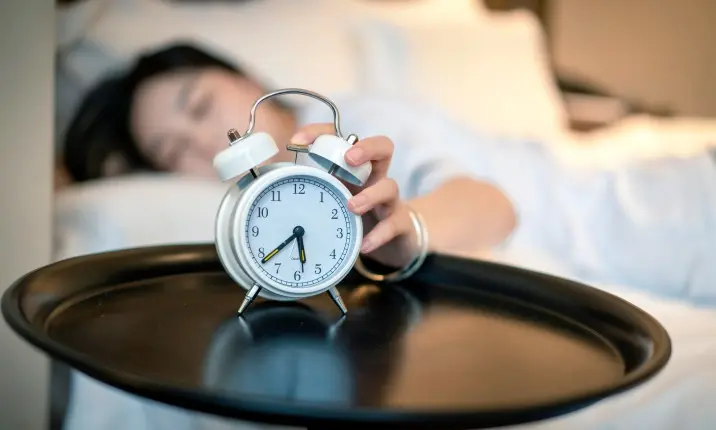
Feeling consistently sleepy regardless of the amount of sleep you get may be a symptom of an underlying condition. A variety of factors, both lifestyle and medical, could be at play.
Lifestyle factors
- Poor sleep quality: Even if you are clocking in plenty of hours, the quality of sleep may be poor. Disturbances during sleep, a non-restful sleep environment, or an irregular sleep schedule can prevent you from getting restful sleep.
- Lack of physical activity: Regular exercise can help regulate your sleep patterns. A sedentary lifestyle might leave you feeling tired or fatigued throughout the day.
- Unhealthy diet: Your dietary habits can influence your energy levels. A diet high in processed foods, sugar, and unhealthy fats can lead to fluctuations in blood sugar levels, which might result in feelings of fatigue.
- Stress and mental health: Persistent stress, anxiety, or depressive symptoms can also lead to feelings of constant tiredness.
Medical factors
- Sleep disorders: Conditions like sleep apnoea, insomnia, and restless legs syndrome can interrupt your sleep cycle, leading to feelings of tiredness during the day.
- Chronic Fatigue Syndrome (CFS): CFS is characterised by extreme, unexplained fatigue that doesn't improve with rest and may worsen with physical or mental activity.
- Hypothyroidism: An underactive thyroid (hypothyroidism) can lead to feelings of fatigue, among other symptoms.
- Anaemia: Anaemia, a condition characterised by low levels of red blood cells, can result in persistent fatigue.
In summary, getting the right amount of quality sleep is crucial for various aspects of health.
It is during sleep that your body heals cells, rejuvenates the immune system, consolidates memories, and restores energy. Chronic sleep deprivation can lead to various health problems, including cardiovascular disease, obesity, and mental health disorders.
On the other hand, excessive sleep can also be problematic. Some studies suggest that regularly sleeping more than the recommended amount can be linked to health conditions like diabetes, heart disease, and increased risk of death.
In conclusion, sleep is not a luxury, but a necessity. Finding your individual optimal sleep duration is a key part of maintaining good health and well-being. Remember, it's not only about the quantity of sleep but also about its quality.
If you're getting the recommended amount of sleep but still feel drowsy and fatigued, it may be worth evaluating your sleep quality. A general physician at Parkway Shenton clinics or an ENT specialist can assess whether further tests are needed. This may include a sleep test to monitor your sleep patterns and detect any underlying health concerns. Identifying issues early allows for timely intervention and better management of your sleep health.
Prioritise Your Health with Parkway Plus
Staying well starts with access to the right care. Whether it’s wearable sleep testing, health screening, or fitness training, preventive care helps you stay ahead of potential health issues.
Enjoy member rates on a wide range of medical services and wellness offerings at Parkway Shenton, Parkway MediCentre, our sister hospitals within the IHH Healthcare Singapore network, and partner brands.
Simply download the MyHealth360 app and flash your Parkway Plus card at participating clinics and partners.

Benjafield, A. V., Ayas, N. T., Eastwood, P. R., Heinzer, R., Ip, M. S. M., Morrell, M. J., ... & Pépin, J. L. (2019). Estimation of the global prevalence and burden of obstructive sleep apnoea: a literature-based analysis. The Lancet Respiratory Medicine, 7(8), 687-698.
Cappuccio, F. P., D'Elia, L., Strazzullo, P., & Miller, M. A. (2010). Sleep duration and all-cause mortality: a systematic review and meta-analysis of prospective studies. Sleep, 33(5), 585-592.
Cappuccio, F. P., D'Elia, L., Strazzullo, P., & Miller, M. A. (2010). Quantity and quality of sleep and incidence of type 2 diabetes: a systematic review and meta-analysis. Diabetes Care, 33(2), 414-420.
Dashti, H. S., Scheer, F. A., Jacques, P. F., Lamon-Fava, S., & Ordovás, J. M. (2015). Short sleep duration and dietary intake: epidemiologic evidence, mechanisms, and health implications. Advances in Nutrition, 6(6), 648-659.
Gallicchio, L., & Kalesan, B. (2009). Sleep duration and mortality: a systematic review and meta-analysis. Journal of Sleep Research, 18(2), 148-158.
Harvey, A. G., Murray, G., Chandler, R. A., & Soehner, A. (2011). Sleep disturbance as transdiagnostic: Consideration of neurobiological mechanisms. Clinical Psychology Review, 31(2), 225-235.
Hirshkowitz, M., Whiton, K., Albert, S. M., Alessi, C., Bruni, O., DonCarlos, L., ... & Neubauer, D. N. (2015). National Sleep Foundation’s sleep time duration recommendations: methodology and results summary. Sleep Health, 1(1), 40-43.
Irwin, M. R. (2015). Why sleep is important for health: a psychoneuroimmunology perspective. Annual Review of Psychology, 66, 143-172.
Jason, L. A., Benton, M. C., Valentine, K. L., & Johnson, A. (2019). An examination of the case definition criteria for chronic fatigue syndrome and how it can be improved. Journal of Preventive Medicine and Public Health, 52(6), 357-363.
Mander, B. A., Winer, J. R., & Walker, M. P. (2017). Sleep and human aging. Neuron, 94(1), 19-36.
Ohayon, M., Carskadon, M. A., Guilleminault, C., & Vitiello, M. V. (2004). Meta-analysis of quantitative sleep parameters from childhood to old age in healthy individuals: developing normative sleep values across the human lifespan. Sleep, 27(7), 1255-1273.
Walker, M. P. (2009). The role of sleep in cognition and emotion. Annals of the New York Academy of Sciences, 1156(1), 168-197.
Watson, N. F., Badr, M. S., Belenky, G., Bliwise, D. L., Buxton, O. M., Buysse, D., ... & Martin, J. L. (2015). Recommended amount of sleep for a healthy adult: a joint consensus statement of the American Academy of Sleep Medicine and Sleep Research Society. Journal of Clinical Sleep Medicine, 11(6), 591-592.
Williamson, A. M., & Feyer, A. M. (2000). Moderate sleep deprivation produces impairments in cognitive and motor performance equivalent to legally prescribed levels of alcohol intoxication. Occupational and Environmental Medicine, 57(10), 649-655.
Youngstedt, S. D., & Kline, C. E. (2006). Epidemiology of exercise and sleep. Sleep and Biological Rhythms, 4(3), 215-221.
Related Articles
View all
9 Sleep Hacks: What to Do When You're Sleeping Weird Hours
Here're 9 ways you can fall asleep faster after pulling all-nighters from watching football.

The Importance of Quality Sleep
Why is quality sleep beneficial to our health and what can we do to get it?

5 New Year's Resolutions That Might Be Bad for You
New Year's resolutions are good to have if you're looking for self-care and self-improvement. But are they beneficial to your health?

Can Sinus Surgery Fix Your Sleep Apnoea?
Sleep apnoea can have a significant impact on your health. Can sinus surgery offer an effective solution?

Sleep Apnoea in Children: Causes and Treatments
Sleep apnoea can lead to serious complications, especially in children.

Managing Your Child's Jet Lag
Enjoy a stress-free family holiday experience with these tips on managing your child's jet lag.
Latest Articles
View All
Ask our Doctor: What are Breast Cancer Risks and Early Signs?
Our breast surgeon explains how to understand your risk, warning signs to know, why screening matters even when you feel well, and what surgery can look like today.

Knee Osteoarthritis: What To Do When Knee Pain Gets Worse?
As knee osteoarthritis progresses, everyday activities can become more difficult. Our pain specialist and orthopaedic surgeon explain the treatment options available and how to find the right approach for you.

Weight Loss Has Plateaued. Does Your Treatment Need to Change?
Dr Edwin Chng from Parkway Shenton explains why weight loss can slow down during medical weight management, and when it may be time to review your treatment plan.

Ask Our Doctor: How Is Prostate Cancer Detected and Diagnosed?
Prostate cancer is common, often silent, and still diagnosed too late in Singapore. Urologist Dr Tan Yung Khan on what every man should know about screening, diagnosis, and treatment.

A Guide to Haze Season in Singapore: 8 Tips to Stay Healthy
We answer common questions about haze, and how this can affect common chronic lung conditions such as asthma and chronic obstructive pulmonary disease (COPD), and 8 simple tips to protect ourselves against it.

Diagnosed With a Brain Aneurysm? Here's What Happens Next
Our neurosurgeon, Dr Vincent Ng, explains the factors specialists consider when deciding whether a brain aneurysm should be monitored or treated, and what the different treatment options involve.


