Cancer Care
 Heart Health
 Bone Health
 Brain & Spine Care
 Transplant


Dr Bang Shieh Ling (Shirley)
Urologist

Source: Shutterstock
 Add as a preferred source on Google
Urologist
An "over sensitive" bladder can be a temporary reaction to drinking more liquid than you normally do in the day. However, if it becomes persistent or if you suffer bouts of incontinence, it's wise to see your doctor for an accurate diagnosis and treatment. Myths about what normal bladder activity should be like are aplenty, but we consult our urologist to demystify what happens with an overactive bladder.
You've probably made a conscious decision to empty your bladder before any urges hit, especially when it may involve being in a situation without easy access to the toilet. This could be before a long car ride or before a movie starts at the theatre.
That's okay as a one-off. However, if you consciously make a point of emptying your bladder often, you may end up training your bladder to only be able to hold small amounts of urine. This also leads to you being unable to hold it in when you get desperate as your bladder can no longer contain a larger volume of urine. Your bladder works well the way it is, and you should listen to your body when you need to go to the toilet. Answer the call only when it comes, naturally.
If you are going too often, your urologist will teach you to retrain your bladder to accept larger volumes by scheduling bathroom breaks over longer intervals for a period of time. Bladder training involves using distraction methods, breathing exercises or pelvic floor training to reduce the urgency sensation so that your bladder can hold a larger volume. The interval can be slowly increasing over a period of time. The bladder will then relearn to only send signals when it reaches a healthier volume.
This may not be a concern for men, but for women, sitting on a toilet seat to pass urine is a more natural way to empty the bladder as the position allows for the pelvic floor muscles to be relaxed. In public toilets, some women have a fear of catching something from the toilet seat.
The fact is, you can't catch an infection this way. However, should you feel the need to, cover the toilet seat with toilet paper before you proceed to use it. Your bladder empties itself much more easily when you are seated and relaxed than when you are standing and hovering.
The amount of liquid to drink per day varies with each individual, depending on their size and level of activity. The best gauge is to drink when you are thirsty and to stay hydrated. This stops your urine from becoming too concentrated and also lowers the risk of developing kidney stones.
In general, aiming to drink 2 litres of fluids a day is a good gauge for most people. For optimal hydration, water is the best choice but juices, soups or smoothies count towards your 2 litres.
No, it's not okay and that is not normal.
Don't accept these little accidents as part of life, or a rite of passage upon getting older. These symptoms might point to a condition known as stress incontinence, which can be treated. See your doctor for a solution as bladder leakage can worsen over time. Ask to be referred to a urologist to learn some exercises you can do to strengthen your pelvic floor muscles. You can always go back to your usual exercise regime once you are able to hold in your pee again.
This is not true. A symptom of an overactive bladder is urinary incontinence and men suffer from this just as much as women do. Urinary incontinence that is associated with overactive bladder is usually the more serious stage of overactive bladder syndrome.
Men can also have this symptom and most of the time, it happens due to an enlarged prostate. Half of all men have an enlarged prostate by the time they turn 60, and by the age of 85, the occurrence can be as high as 90 percent.
Other causes of an overactive bladder include infection of the bladder, bladder stones, cancer and neurological conditions such as Parkinson's disease.
If the need to empty your bladder is occurring more often than usual, speak to your urologist who will be able to provide you with an accurate diagnosis and treatment plan for your condition.

Dr Dennis Chua talks about the thyroid and the common conditions associated with it.

When it comes to discussing more personal issues with doctors, it's tempting to hide certain details. Yet, by doing so, you may be putting your health at risk.

Dr Akira Wu, renal physician at Mount Elizabeth Hospital, explains what kidney failure is, what causes it and what symptoms to look out for.
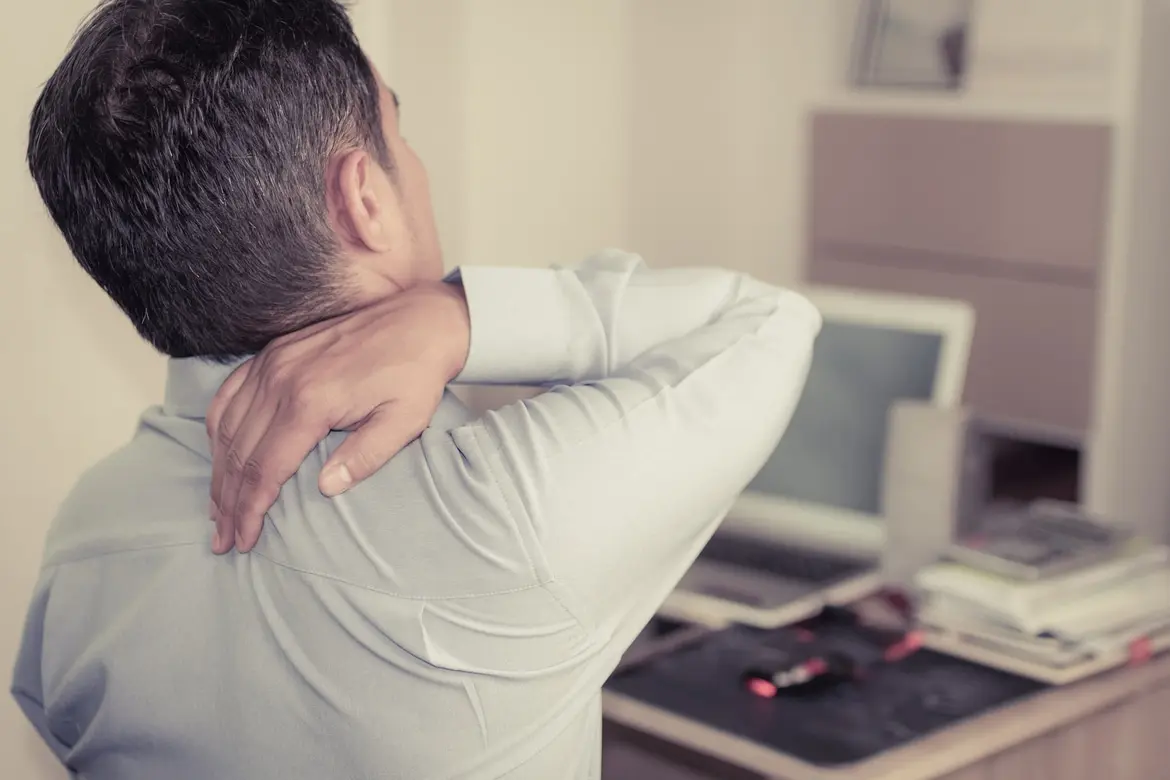
If you tripped on a pavement or pulled something during a workout, you might be tempted to brush it off as a mild injury. Here's why you shouldn't ignore that ache and what you should do instead.

To maintain digestive health, you need a healthy gastrointestinal (GI) tract.

Which one should you consult when you're not feeling well?
Our breast surgeon explains how to understand your risk, warning signs to know, why screening matters even when you feel well, and what surgery can look like today.

As knee osteoarthritis progresses, everyday activities can become more difficult. Our pain specialist and orthopaedic surgeon explain the treatment options available and how to find the right approach for you.

Dr Edwin Chng from Parkway Shenton explains why weight loss can slow down during medical weight management, and when it may be time to review your treatment plan.

Prostate cancer is common, often silent, and still diagnosed too late in Singapore. Urologist Dr Tan Yung Khan on what every man should know about screening, diagnosis, and treatment.

We answer common questions about haze, and how this can affect common chronic lung conditions such as asthma and chronic obstructive pulmonary disease (COPD), and 8 simple tips to protect ourselves against it.
Our neurosurgeon, Dr Vincent Ng, explains the factors specialists consider when deciding whether a brain aneurysm should be monitored or treated, and what the different treatment options involve.
Mount Elizabeth Hospitals are part of IHH Healthcare, one of the world’s largest integrated healthcare networks.

Download the MyHealth360 app to access an array of medical services conveniently.


Get trusted medical advice from our specialists, dietitians and physiotherapists directly in your inbox.
Subscribe