What is occupational therapy?
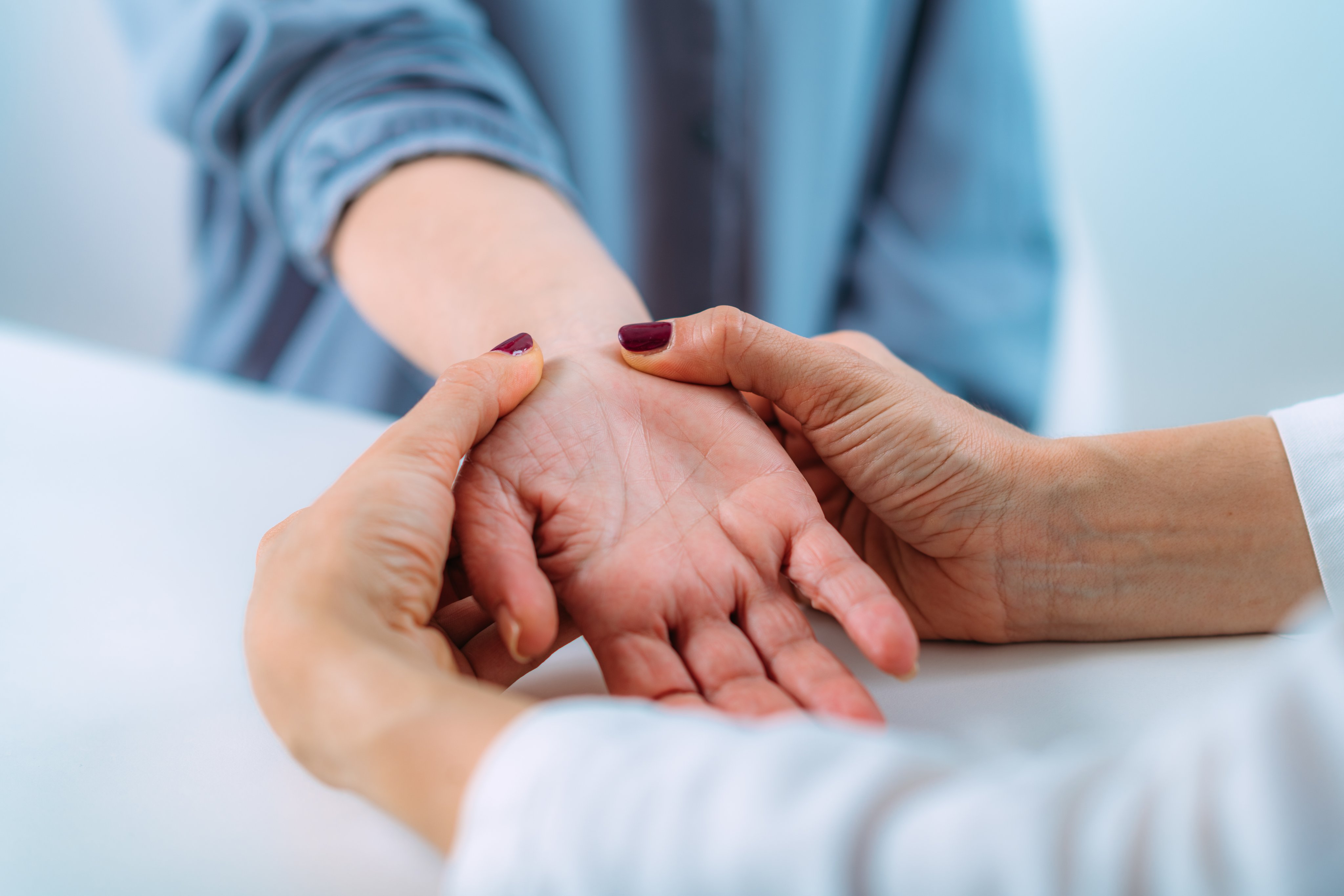
Occupational therapy is a rehabilitation service that helps you improve or regain the ability to perform day-to-day activities revolving around self-care, leisure and work.
The occupational therapist will assess your functional status and use a variety of treatment methods to meet your goals.
Occupational therapy vs physiotherapy
Both occupational therapy and physiotherapy are forms of rehabilitation. Physiotherapy focuses on restoring normal movement and function to people who have been affected by injuries or conditions. Physiotherapists use a combination of manual and exercise therapy to achieve this.
Occupational therapy focuses on helping you perform day-to-day activities such as getting dressed or eating. Occupational therapists may also recommend changes to your home or office environment to make it more optimal for you.
Types of occupational therapy
Occupational therapy encompasses a wide range of services:
Hand therapy
Hand therapy is a specialised therapy focusing on the rehabilitation of the hand and upper limb, including the wrist and elbow. It supports recovery after injury, surgery or repetitive strain by improving movement, strength and functional use. Conditions commonly managed include:
Treatment duration varies depending on the condition and its severity. Post-surgical cases may require therapy spanning several weeks to months, while non-surgical conditions are managed at a frequency and duration adjusted to individual progress.
Hand therapy involve specialised techniques and evidence-based interventions delivered as part of a structured rehabilitation programme to optimise recovery and function.
Our comprehensive hand therapy treatments include:
- Heat therapy – fluidotherapy, paraffin wax and heat packs
- Continuous passive movement (CPM) therapy – gentle machine-assisted movements to improve joint mobility
- Soft and deep tissue release – myofascial release and deep tissue work to improve flexibility
- Scar management – techniques to improve scar mobility, reduce sensitivity, and support functional recovery
- Pain and oedema (swelling) management – techniques to reduce swelling and discomfort
- Therapeutic exercise and functional training – restoring movement, strength, and function
- Joint protection and activity modification – advice on strain prevention and long-term joint health
Splints and orthoses

Splints and orthoses are custom-fitted devices designed to support your body in a certain position to aid healing, protect injured tissues, and improve function.
Our occupational therapists provide individually moulded splints for a range of conditions, including post-surgical recovery, fracture management, tendon and nerve injuries, arthritis, and neurological rehabilitation following a stroke.
Splints are fitted to the upper or lower limbs, neck, or spine, ensuring a comfortable and precise fit. Types of splints we fabricate include:
- TLSO or lumbar jacket
- Neck splint
- Humeral brace
- Elbow splint
- Munster splint
- Radial or ulnar block splint
- Wrist cock-up splint
- Anti-spastic hand splint
- Dynamic splint
- Extension trough splint
- Intrinsic plus splint
- Finger gutter splint
- Anti-mallet splint
- Kleinert splint
- Capener splint
Neuro-rehabilitation
Neuro-rehabilitation supports recovery from neurological conditions and injuries, with a focus on restoring functional independence in daily activities. Suitable for patients recovering from:
- Stroke
- Head injuries
- Spinal cord injuries
- Parkinson’s disease
- Guillain-Barre syndrome
Treatment encompasses physical and cognitive rehabilitation, activities of daily living retraining, and functional upper limb recovery, supported by specialised equipment including Dynavision, Neuromove and Biomove.
Caregiver training
Caregiver training equips family members and caregivers with the skills needed to support recovery at home. Training covers assistance with basic exercises, functional daily activities, and safe handling techniques to ensure continuity of care following discharge from hospital.
Office and home ergonomics
Our occupational therapists can help assess and optimise your office and home setup to support comfort, function and daily activities. A well-designed ergonomic environment may help reduce back, neck and shoulder pain, improve productivity, and minimise strain-related injuries.
Home evaluation and modifications
Our therapists conduct home visits before or after hospital discharge to assess your living environment and identify any barriers to safe, independent function. Recommendations are provided on home modifications and safety adjustments to best accommodate your needs, improve mobility, accessibility, and safety for both you and your family.
Prescription of aids or appliances
The therapist can assess and prescribe appropriate aids or appliances to help you function independently at home. These may include:
- Wheelchair or pushchair
- Shower or commode chair
- Raised toilet seat
- Adaptive equipment such as long handled reacher, bath sponge, and universal built-in handles.
Complete decongestive therapy (CDT)
Complete decongestive therapy (CDT) is a personalised programme designed to reduce oedema (swelling). Treatment may include manual lymph drainage, compression bandaging, compression garments, deep breathing exercises, scar management, cord release, and self-care education.
CDT is particularly beneficial for post-surgical cancer patients. Manual lymph drainage is also used in the management of sports injuries – in close collaboration with our physiotherapy team – as well as for relaxation, pain relief, and localised swelling.
Pressure garments
Pressure garments are custom-made and individually fitted to support oedema management, post-surgical recovery, and post-burn scar treatment.
Return to work and functional capacity evaluation
Our therapists assess functional fitness for work for both industrial and commercial employees, whether as part of pre-employment screening or return-to-work planning. Assessments are conducted using standardized tools including VALPAR, digital JAMAR dynamometers, and pinch gauges.
Other services
We also offer:
- Driving assessment — evaluates safe and independent return to driving
- Cognitive rehabilitation — supports recovery of memory, attention, and executive function



 Cancer Care
 Heart Health
 Bone Health
 Brain & Spine Care
 Transplant