Cancer Care
 Heart Health
 Bone Health
 Brain & Spine Care
 Transplant


Alefia Arshad Vasanwala
Dietitian


Source: Shutterstock
 Add as a preferred source on Google
Dietitian

Dietitian
Curious about what dietitians eat to curb a craving or to get an energy boost? We ask 7 accredited dietitians from Parkway Hospitals to share their favourite treats!
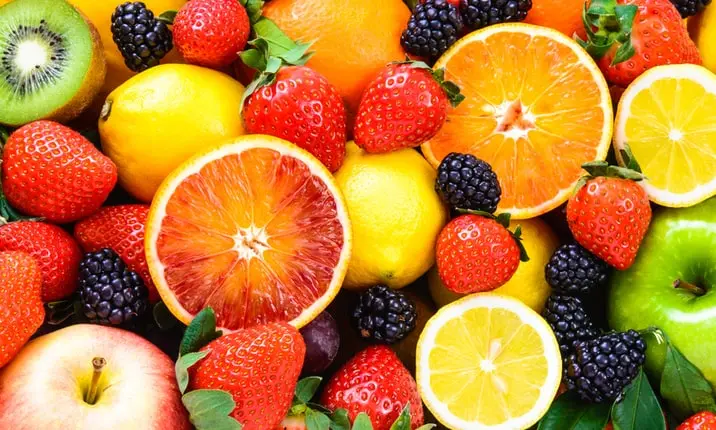
"I've loved fruits from a young age, even before learning they're relatively low in calories as compared to other snacks. This may be the reason why I still stay in shape despite binge-eating fruits sometimes. Very often, people comment on my good skin complexion. I think this is largely attributed to the high antioxidants intake from fruits. I usually eat fresh fruits whole, but I also enjoy an occasional cup of pineapple or avocado juice."
Wong Hui Xin, former senior dietitian at Mount Elizabeth Novena Hospital
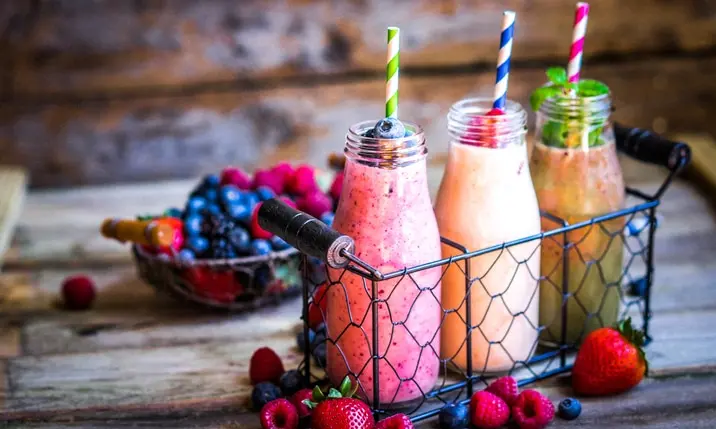
"Serve me a glass of smoothie, anytime. It's so easy to make. Just throw into the blender ice, yoghurt, milk, fruits, and for some gym-goers, protein powder. It's revitalising and packed with plenty of nutrients including calcium, vitamins and probiotics. To me, it's a much healthier alternative to cakes. Plus, we need the fluids to keep ourselves hydrated!"
Louis Yap, dietitian at Mount Elizabeth Novena Hospital
"This is a refreshing food and you'll never get bored with the variety of fruits you can add to plain yoghurt. It's filled with goodness as it's packed with calcium, protein, probiotics, fibre and vitamins. It also helps to keep my bones strong, my gut healthy, and boosts my immune system. I can eat is as either a snack or dessert. Yummy!”
Alefia A Vasanwala, principal dietitian at Mount Elizabeth Hospital
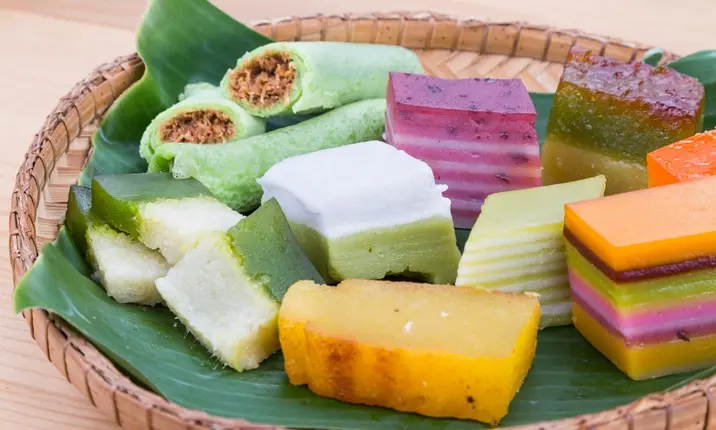
"I usually go for steamed tapioca pearls (sago) cake, ondeh-ondeh or glutinous rice stuffed with dried shrimp sambal. These are generally high in sugar and saturated fat as the ingredients include coconut milk, coconut flesh or dried prawn sambal. The good thing is, they're sold in small slices, so this helps me to curb my portion intake. I will have it some weekends when I need an energy boost before a workout."
Seow Vi Vien, former dietitian at Mount Elizabeth Hospital
"I can't live without chocolate, especially dark chocolate! With its high cocoa content, dark chocolate is a rich source of antioxidants, particularly flavonoids. However, it's also high in calories which can contribute to weight gain if eaten in excess. So, moderation is the key. One way to enjoy chocolate is to mix a tablespoon of cocoa powder with oatmeal, and serve with blueberries or sliced banana to make a bowl of delicious chocolatey oats!"
Lee Sze Mien, former dietitian at Mount Elizabeth Hospital
"I enjoy having frozen yoghurt at night to wrap up my dinner. There is almost zero preparation needed, as I only need to leave the yoghurt in the freezer after doing my grocery shopping. It's also a healthier alternative to ice cream – it has less sugar and fat, and is a great calcium booster!"
Daphne Loh, former senior dietitian at Gleneagles Hospital
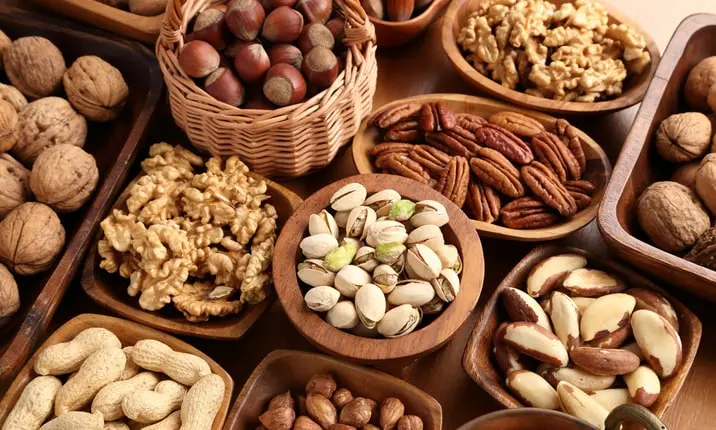
"My mother loves eating nuts, so there's always a packet of these lying around the house. I tend to go for unsalted ones. Walnuts, cashews and almonds contain higher amounts of good fats (unsaturated), so they're at the top of my priority list whenever I need to munch on something! Nuts are also versatile snacks as you can pair them with different foods like oats, ice creams or shakes. Packing them into small containers as on-the-go snacks also helps with portion control.”
Apple Chan, former dietitian at Gleneagles Hospital

More and more people today are developing diabetes. Dr Daniel Wai, endocrinologist, talks about the ways to avoid it from the latest research.
If you've ever had an episode of food poisoning, you know how dreadful it can be. Know the top 5 bacteria responsible for causing it.
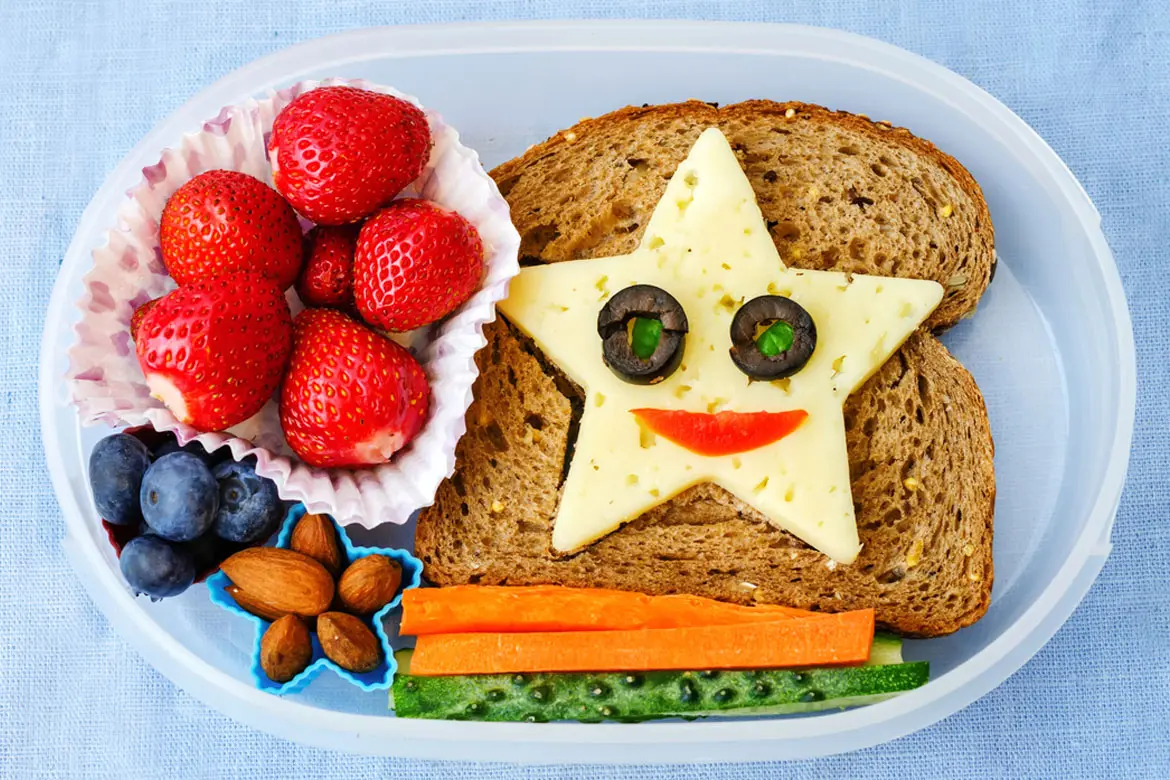
Serving up healthy snacks doesn't have to be complicated. Here are some fuss-free, dietitian-approved snack ideas for your kids.

A big decision new parents must make early on in their parenting journey concerns which type of milk to feed their newborn. A dietitian and lactation (breastfeeding) consultant answer your questions.
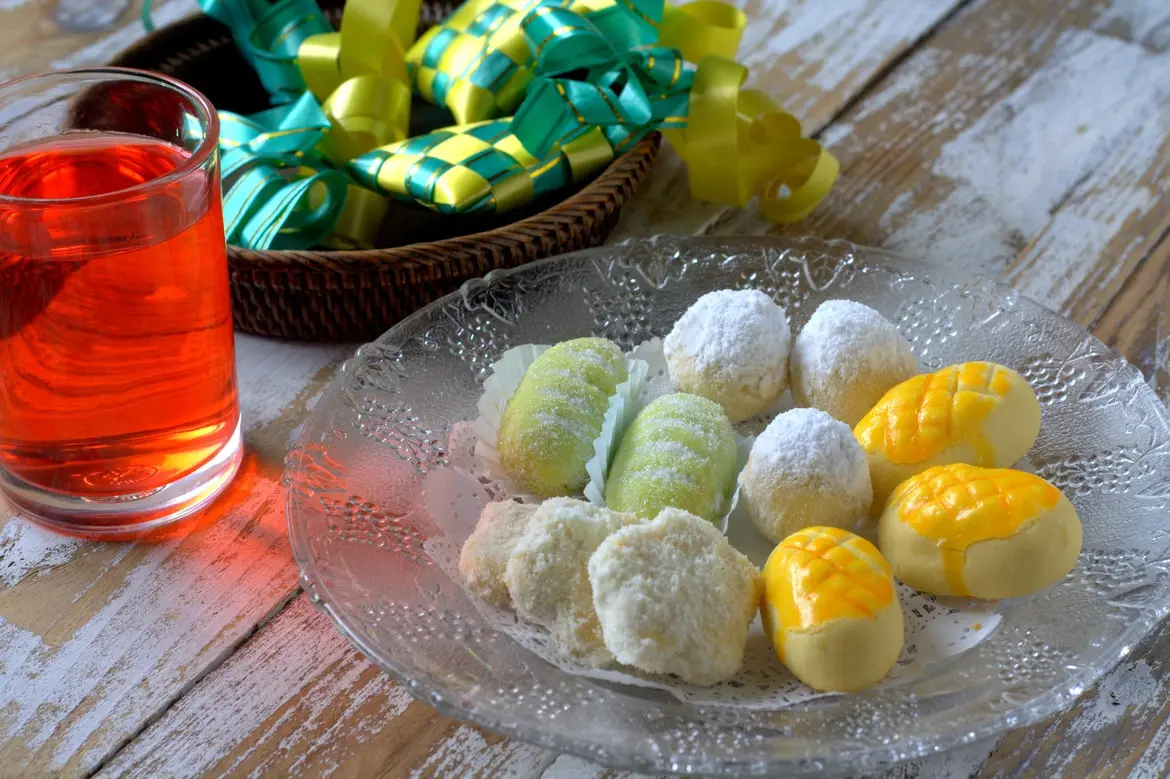
Here's your calorie guide to 9 popular Hari Raya goodies, and how you can tweak your ingredients for a healthier treat!
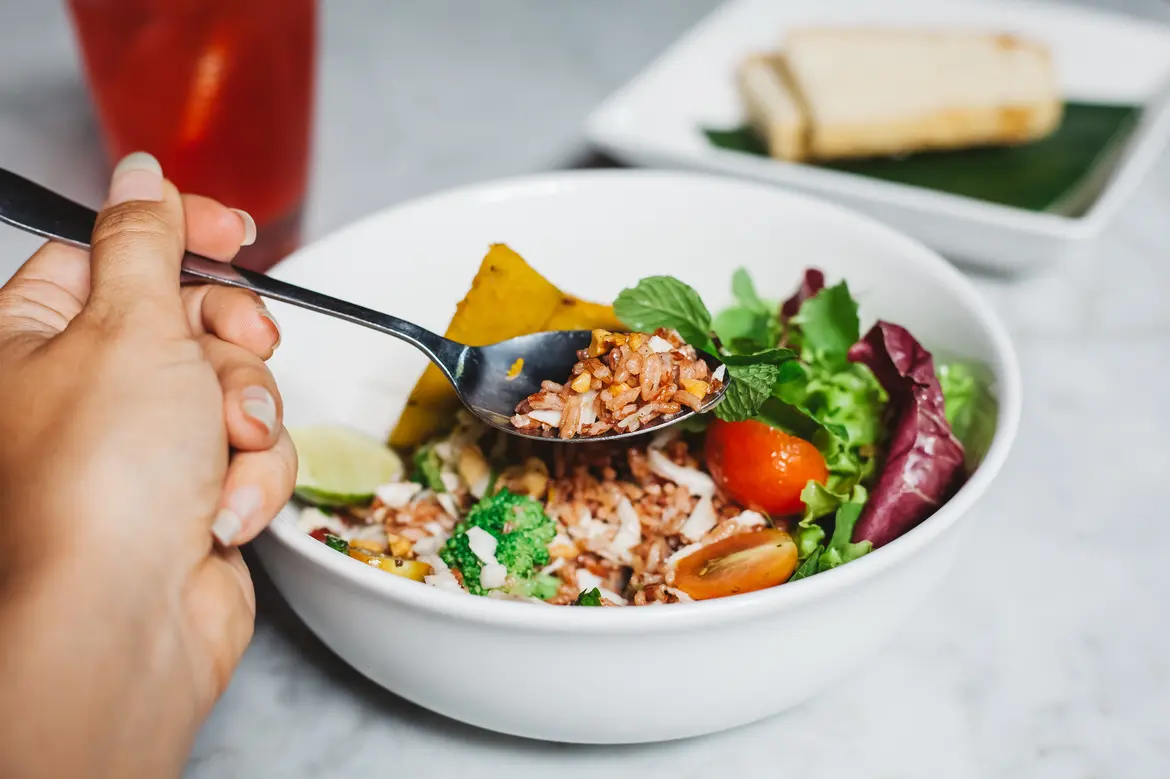
Here are 9 tasty dietitian-approved snacks that you can have on hand to quell your hunger pangs, preventing you from reaching out for that unhealthy snack.

Our breast surgeon explains how to understand your risk, warning signs to know, why screening matters even when you feel well, and what surgery can look like today.

As knee osteoarthritis progresses, everyday activities can become more difficult. Our pain specialist and orthopaedic surgeon explain the treatment options available and how to find the right approach for you.

Dr Edwin Chng from Parkway Shenton explains why weight loss can slow down during medical weight management, and when it may be time to review your treatment plan.

Prostate cancer is common, often silent, and still diagnosed too late in Singapore. Urologist Dr Tan Yung Khan on what every man should know about screening, diagnosis, and treatment.

We answer common questions about haze, and how this can affect common chronic lung conditions such as asthma and chronic obstructive pulmonary disease (COPD), and 8 simple tips to protect ourselves against it.

Our neurosurgeon, Dr Vincent Ng, explains the factors specialists consider when deciding whether a brain aneurysm should be monitored or treated, and what the different treatment options involve.
Mount Elizabeth Hospitals are part of IHH Healthcare, one of the world’s largest integrated healthcare networks.

Download the MyHealth360 app to access an array of medical services conveniently.


Get trusted medical advice from our specialists, dietitians and physiotherapists directly in your inbox.
Subscribe