-
-
Our Expertise
 Cancer Care
 Heart Health
 Bone Health
 Brain & Spine Care
 Transplant


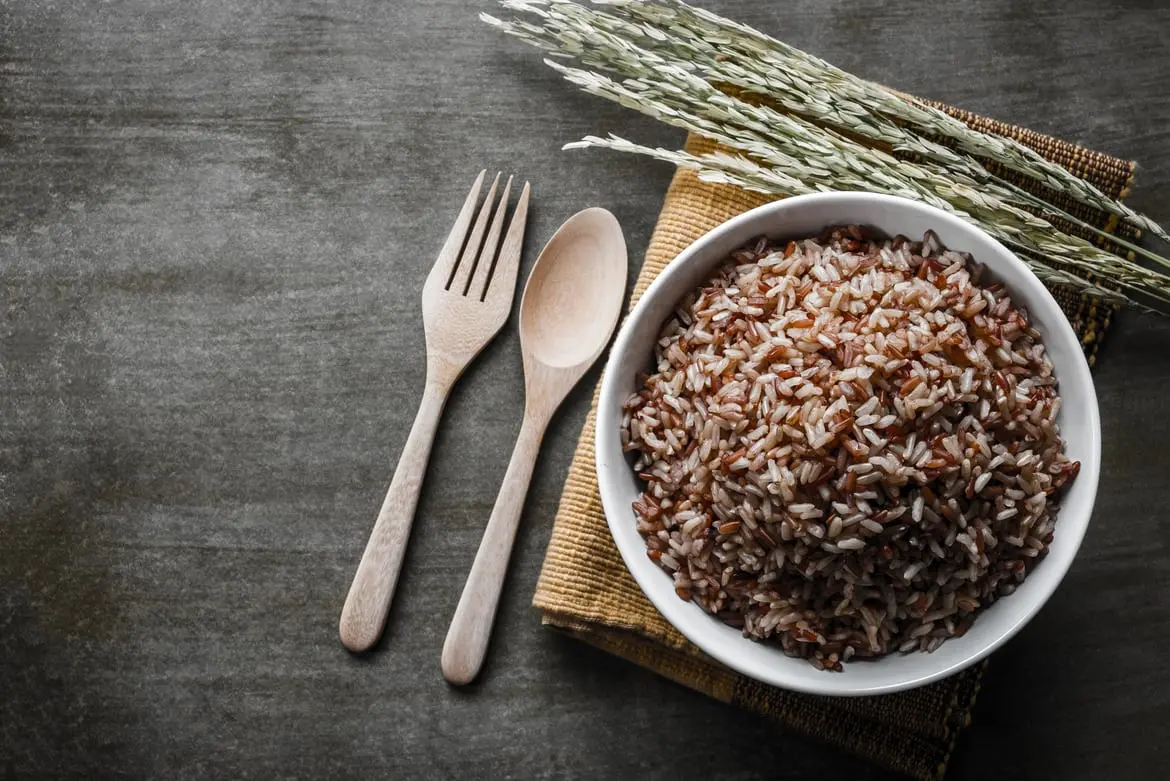
Source: Shutterstock
Why is it Important to Eat Whole Grains?
Last updated: Thursday, October 26, 2017 | 7 min reading time
 Add as a preferred source on Google
You have heard time and again that eating whole grains is the healthy way to go. But why?
Amy Vong and Wong Hui Xin, dietitians at Mount Elizabeth Novena Hospital, tells us exactly how whole grains are beneficial for our health.
How exactly do whole grains benefit a person?
Amy Vong: Current scientific evidence shows that consuming whole grains is linked to better health in many ways.
It lowers the risks of chronic diseases like coronary heart disease, diabetes, and cancer, and helps control your body weight. This is due to various reasons:
Firstly, whole grains help us feel fuller for a longer time. This increased sense of satiety helps us avoid overeating.
Secondly, the higher fibre content in whole grains slows down the absorption of carbohydrates, keeping your blood sugar level steady – which is especially important for warding off potential diabetes complications such as heart disease, kidney disease, nerve damage and stroke.
Thirdly, whole grains have antioxidant and anti-inflammatory properties, promoting the growth of healthy bacteria in the gut, which helps digestion and metabolism, as well as reduces allergies.
Taken as a whole, the research points us towards including whole grains in a balanced diet and healthy lifestyle.
How significantly do whole grains lower health risks?
Amy Vong: When tracking groups of people over time or conducting surveys on people's diets, researchers have found that people who eat a diet based on whole grains generally tend to have a lower body mass index (BMI) and better overall health.
If you are in the habit of eating whole grains, you have a significantly lower risk of contracting coronary heart disease – a risk lowered by 20 – 40%. The lowered risk of diabetes is similar at a 20 – 30% reduction.
People who consume the greatest amounts of whole grains, beyond experiencing the benefits above, also have a lower risk of developing some cancers.
What does the latest research on whole grains say?
Amy Vong: In general, we have been seeing an increase of evidence that bolsters older findings, and we understand better how a diet high in whole grains helps in general health.
Most of the evidence for whole grains comes from observational studies, where we have limited control over the participants' other lifestyle aspects (which also impact their health) besides their diet.
However, there has been an increase of evidence for the benefits of whole grains from intervention studies (where tests resemble drug tests), which are generally more stringent than observational studies.
We are therefore now even more confident that whole grains are good for health.
Do some whole grains provide more benefits than others?
Wong Hui Xin: There are differences between types of whole grains, and each person will need differing amounts.
Grains, such as wheat, rice, oat, barley and rye, vary markedly in the types and amounts of phytochemicals they contain depending on their genetics and a variety of agro-climatic factors.
Whole grains are generally higher in the 'good stuff' – dietary fibre, vitamins, minerals, and phytochemicals. They have similar macronutrient compositions, ie. energy, carbohydrate, protein and fat content.
However, different whole grains have different nutritional profiles.
Certain grains such as wheat, oat, barley and rye have higher fibre content (more than 10g of fibre per 100g). If your diet is low in fibre, you will want to eat more of these.
Research has also shown that beta glucan, found in oat and barley, is more effective in lowering blood lipids (fat) as compared to other grains. If you need to lose weight, replacing refined grains with oat and barley may help with the process.
On the other hand, corn has the highest phenolic acid content, followed by wheat, oat, and rice. The phenolic acid concentration of whole grains corresponds to their antioxidant capacity.
How much more beneficial is eating unprocessed whole grains (eg. oats) instead of processed whole grains (eg. wholemeal bread)?
Amy Vong: Whether it makes a big difference depends on each individual. As a rule, we should all be making healthier choices, but an underweight 17-year-old and an overweight 70-year-old will definitely have different priorities.
To make sense of how you should be adjusting your diet, we first need to understand the difference between unprocessed whole grains and processed whole grain foods.
On one end we have unprocessed whole grains which have the bran, endosperm, and germ intact.
On another end, we have refined grains, which have been stripped of the bran and germ.
Processed whole grain foods fall somewhere in the middle.
The United States Food and Drug Administration (FDA) in 2006 defined 'whole grain' as any mixture of bran, endosperm and germ in the proportions as in an intact grain – but the grains can be, and usually are, processed so that the 3 parts are separated and ground before being incorporated into foods.
Moreover, for a food product to be considered 'whole grain', the FDA says it must contain at least 51% of whole grains by weight. Processed whole grain foods may therefore have lower fibre and nutrient and antioxidant levels compared to intact grains.
In practice, when you buy whole grain bread from the supermarket, that bread will have a whole other list of ingredients that are not whole grains. A whole grain bread made with plenty of sugar or sweetened dried fruit is going to have different effect on your body from, say, brown rice or oats.
At the supermarket, we should be choosing whole grain products that are higher in fibre. Also, remember that including a variety of whole grain foods in the diet is the best way to reap the different health benefits.
The following are examples of unprocessed whole grain, and whole grain food products:
- Unprocessed whole grain: wheat, oat, barley, maize (corn), rye, sorghum, teff, millet, triticale, amaranth, buckwheat, quinoa
- Whole grain food products: whole wheat flour, whole wheat bread, rolled oats / oatmeal, popcorn, rye bread, whole grain pasta, whole grain tortilla, whole grain breakfast cereals, whole grain snacks and baked goods (eg. crackers, bars, muffins, etc).
Are there certain groups of people who should pay more attention to eating whole grains?
Wong Hui Xin: Everyone should consume whole grains over refined grains to help reduce risk of developing heart disease, diabetes, and cancer, as well as for weight control and digestive health.
Besides eating a diet based on whole foods, we should also adopt a healthy lifestyle by engaging in physical activities for 150 minutes each week.
Whole grain foods may particularly benefit people with diabetes and overweight individuals.
For people with diabetes, eating whole grain foods helps to control blood sugar levels better due to the higher fibre content which slows down the absorption of carbohydrates.
For overweight individuals, eating whole grains helps to promote satiety, which helps reduce food consumption and overeating.
Related Articles
View all
The Coming Tsunami of Diabetes: Ways to Avoid It
More and more people today are developing diabetes. Dr Daniel Wai, endocrinologist, talks about the ways to avoid it from the latest research.
5 Common Culprits of Food Poisoning
If you've ever had an episode of food poisoning, you know how dreadful it can be. Know the top 5 bacteria responsible for causing it.

Fun and Healthy Snacks You can Make with Your Kids
Serving up healthy snacks doesn't have to be complicated. Here are some fuss-free, dietitian-approved snack ideas for your kids.

Breastmilk vs. Formula Milk: Weighing Baby Milk Options
A big decision new parents must make early on in their parenting journey concerns which type of milk to feed their newborn. A dietitian and lactation (breastfeeding) consultant answer your questions.

Calories in 9 Hari Raya Treats and How to Make Them Healthier
Here's your calorie guide to 9 popular Hari Raya goodies, and how you can tweak your ingredients for a healthier treat!
9 Great Snacks for People with Diabetes
Here are 9 tasty dietitian-approved snacks that you can have on hand to quell your hunger pangs, preventing you from reaching out for that unhealthy snack.
Latest Articles
View All
Ask our Doctor: What are Breast Cancer Risks and Early Signs?
Our breast surgeon explains how to understand your risk, warning signs to know, why screening matters even when you feel well, and what surgery can look like today.

Knee Osteoarthritis: What To Do When Knee Pain Gets Worse?
As knee osteoarthritis progresses, everyday activities can become more difficult. Our pain specialist and orthopaedic surgeon explain the treatment options available and how to find the right approach for you.

Weight Loss Has Plateaued. Does Your Treatment Need to Change?
Dr Edwin Chng from Parkway Shenton explains why weight loss can slow down during medical weight management, and when it may be time to review your treatment plan.

Ask Our Doctor: How Is Prostate Cancer Detected and Diagnosed?
Prostate cancer is common, often silent, and still diagnosed too late in Singapore. Urologist Dr Tan Yung Khan on what every man should know about screening, diagnosis, and treatment.

A Guide to Haze Season in Singapore: 8 Tips to Stay Healthy
We answer common questions about haze, and how this can affect common chronic lung conditions such as asthma and chronic obstructive pulmonary disease (COPD), and 8 simple tips to protect ourselves against it.

Diagnosed With a Brain Aneurysm? Here's What Happens Next
Our neurosurgeon, Dr Vincent Ng, explains the factors specialists consider when deciding whether a brain aneurysm should be monitored or treated, and what the different treatment options involve.