


-
-
Our Expertise
 Cancer Care
 Heart Health
 Bone Health
 Brain & Spine Care
 Transplant


Source: Shutterstock
How to Eat Without Blowing Your Diet over Chinese New Year
Last updated: Thursday, January 18, 2018 | 6 min reading time
 Add as a preferred source on Google
Without a doubt, one of the best things about Chinese New Year is the food. But is there a way to enjoy your food without overeating or blowing your diet?
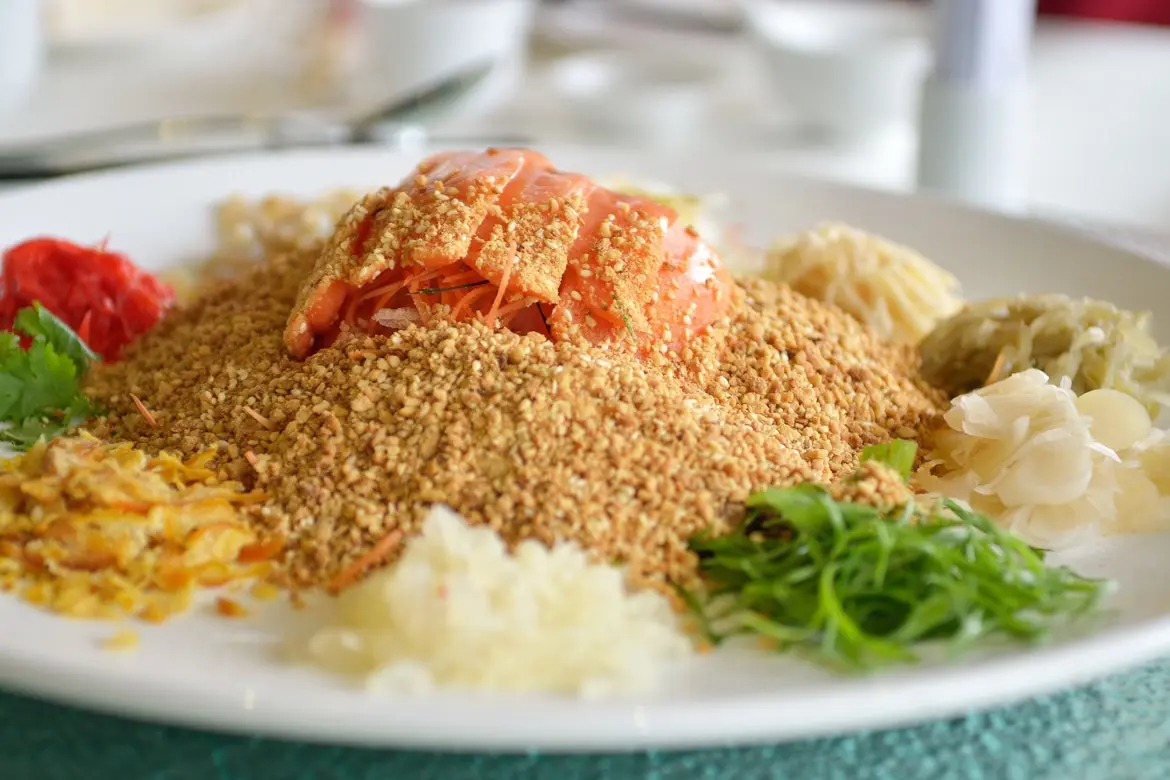
From pineapple tarts to peanut cookies, yu sheng to shrimp rolls, we look forward to indulging in our favourite snacks and goodies every Chinese New Year.
But when you're making the rounds to see all your relatives and friends – sometimes even attending 2 reunion dinners in one night – it can be difficult to let go and enjoy yourself without feeling like you're sabotaging your healthy diet. While it's fine to indulge now and again, you would want to avoid indigestion and bloating that comes with a food blow-out.
Here are our 5 suggestions for enjoying your Chinese New Year without overeating.
Use a smaller plate
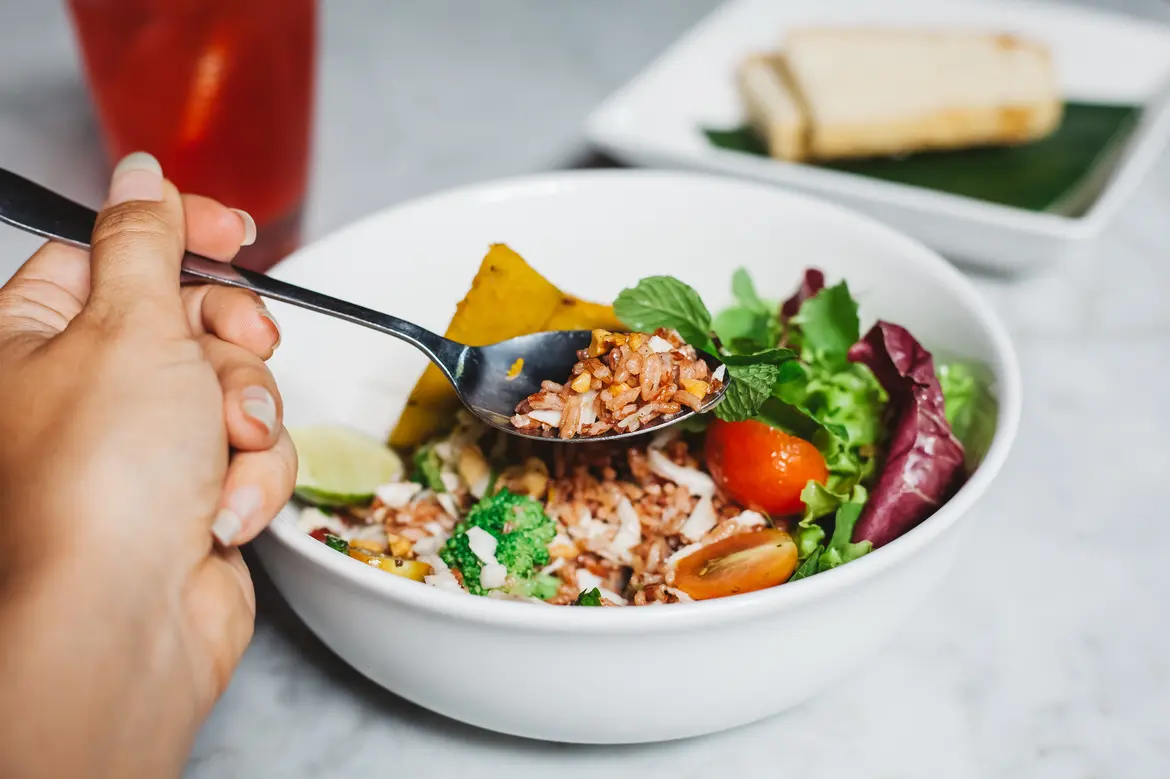
In informal buffet dining situations, it's always tempting to fill your whole plate with food – especially if you know the host. After all, it's the polite thing to do when someone has gone to all that trouble to prepare the food! But if you filled a huge plate at every house you visited over Chinese New Year, you'd almost certainly end the holiday feeling uncomfortably full and bloated.
Instead, try to eat smaller portions at each house you visit. One way around this is to use a smaller plate. Did you know that using a larger plate actually tricks your brain into thinking portion sizes are smaller, which makes you more likely to eat more? Scientists call this the 'Delboeuf illusion'. Conversely, by filling a smaller plate, you can trick your brain into feeling satisfied with much less.
Balance energy-rich foods with healthy treats
Eat in moderation! The majority of your festive goodies – like pineapple tarts, love letters, kueh lapis, and fried nian gao – are rich in calories and more likely to sit heavy in your stomach as they are high in fat and sugar.
Balance your favourite treats with some healthier options which will sit lighter in your stomach when you're dining or snacking at several houses. Limiting the portion you consume can make a significant difference as well! Here are a few of our suggestions:
- Nuts and seeds (eg. pistachios, almonds, walnuts, sunflower seeds, melon seeds): High in fibre, protein and antioxidants, and packed with vitamin B6, a handful of nuts or seeds can make for a nutritious snack, while fibre helps with satiety – keeping you from overindulging on them. Choose nuts that are roasted, baked or raw. Avoid nuts that are fried or coated in sugar, honey or salt.
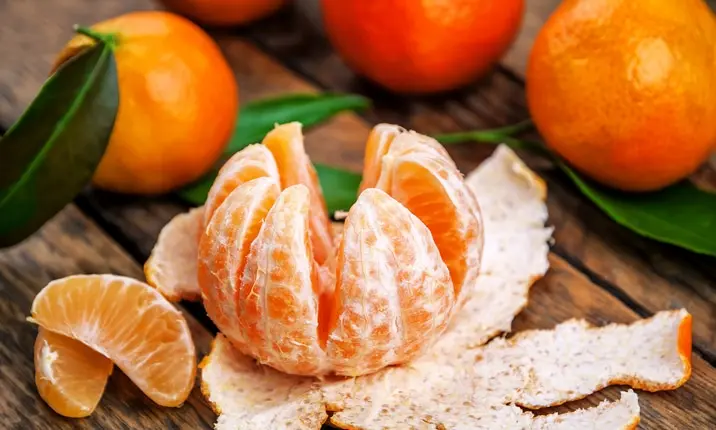
- Fresh fruit (eg. mandarin oranges, pomelos, persimmons): Fruits are packed with fibre, vitamins, minerals and antioxidants. Vitamin C can help enhance the immune system, satisfy your sweet cravings and prevent constipation.
Eat your favourite food in moderation to ensure you have room to nibble at every house you visit and don't feel overly guilty afterwards.
Chew slowly
Chewing slowly has 2 obvious benefits – 1) you probably won't end up eating as much food if you're taking longer to finish what's already on your plate, and 2) you can really take the time to savour every mouthful of your favourite treats. However, did you know that chewing slowly can also have an impact on the amount of calories you consume?
Research suggests that eating slowly may increase your feeling of fullness and satisfaction during meals, which helps to prevent overeating. You will be more in tune with when you feel full at each house and need to take a break.
Drink right

It's easy to focus on the food that you're going to be eating and forget about what it is that you're going to be drinking.
Alcoholic drinks like beer and wine will only add to the sensation of being uncomfortably full and add unnecessary calories to your meal. The same goes for sugary drinks. A packet drink alone may already contain about 4 – 5 teaspoons of sugar. For an average healthy adult, the Health Promotion Board recommends not to exceed 11 teaspoons of sugar intake per day. This amount can be easily exceeded if sweetened beverages are consumed.
Your best option is still plain water which is free from calories. Alternatively, go for unsweetened beverages like green tea or oolong tea.
Walk or cycle between each house
If you're heading to several locations in one day and they're in close proximity to each other, why not burn some extra calories with a leisurely stroll or bicycle ride? A slow walk may be helpful to aid digestion. You can also create active opportunities to expend energy throughout the day, such as by climbing the stairs instead of taking the lift, or playing sports and physical games during gatherings.
Benediktsdottir, A. (2017, July 7). 9 Health Benefits of Pistachios. Retrieved January 9, 2017, from https://www.healthline.com/nutrition/9-benefits-of-pistachios#section1
Bjarnadottir, A. (2017, June 4). 13 Foods That Cause Bloating (And What To Eat Instead). Retrieved January 9, 2017, from https://www.healthline.com/nutrition/13-foods-that-cause-bloating
Foreman, J. (2008, November 10). Does Exercise Increase or Decrease Your Appetite? Retrieved January 9, 2017, from http://archive.boston.com/news/health/articles/2008/11/10/does_exercise_increase_or_decrease_your_appetite/
Giblin, C. (n.d.). The Large Plate Mistake. Retrieved January 9, 2017, from https://foodpsychology.cornell.edu/discoveries/large-plate-mistake
Heid, M. (2017, April 12). Why Slow Eaters May Burn More Calories. Retrieved January 9, 2017, from http://time.com/4736062/slow-eater-chew-your-food/
Leech, J. (2017, June 9). 13 Ways That Sugary Soda Is Bad For Your Health. Retrieved January 9, 2017, from https://www.healthline.com/nutrition/13-ways-sugary-soda-is-bad-for-you
Nina, K. (2017, October 3). Vitamin C in Mandarin Oranges. Retrieved January 9, 2017, from https://www.livestrong.com/article/476759-vitamin-c-in-mandarin-oranges/
Related Articles
View all
The Coming Tsunami of Diabetes: Ways to Avoid It
More and more people today are developing diabetes. Dr Daniel Wai, endocrinologist, talks about the ways to avoid it from the latest research.
5 Common Culprits of Food Poisoning
If you've ever had an episode of food poisoning, you know how dreadful it can be. Know the top 5 bacteria responsible for causing it.
Fun and Healthy Snacks You can Make with Your Kids
Serving up healthy snacks doesn't have to be complicated. Here are some fuss-free, dietitian-approved snack ideas for your kids.

Breastmilk vs. Formula Milk: Weighing Baby Milk Options
A big decision new parents must make early on in their parenting journey concerns which type of milk to feed their newborn. A dietitian and lactation (breastfeeding) consultant answer your questions.

Calories in 9 Hari Raya Treats and How to Make Them Healthier
Here's your calorie guide to 9 popular Hari Raya goodies, and how you can tweak your ingredients for a healthier treat!
9 Great Snacks for People with Diabetes
Here are 9 tasty dietitian-approved snacks that you can have on hand to quell your hunger pangs, preventing you from reaching out for that unhealthy snack.
Latest Articles
View All
Ask our Doctor: What are Breast Cancer Risks and Early Signs?
Our breast surgeon explains how to understand your risk, warning signs to know, why screening matters even when you feel well, and what surgery can look like today.

Knee Osteoarthritis: What To Do When Knee Pain Gets Worse?
As knee osteoarthritis progresses, everyday activities can become more difficult. Our pain specialist and orthopaedic surgeon explain the treatment options available and how to find the right approach for you.

Weight Loss Has Plateaued. Does Your Treatment Need to Change?
Dr Edwin Chng from Parkway Shenton explains why weight loss can slow down during medical weight management, and when it may be time to review your treatment plan.

Ask Our Doctor: How Is Prostate Cancer Detected and Diagnosed?
Prostate cancer is common, often silent, and still diagnosed too late in Singapore. Urologist Dr Tan Yung Khan on what every man should know about screening, diagnosis, and treatment.

A Guide to Haze Season in Singapore: 8 Tips to Stay Healthy
We answer common questions about haze, and how this can affect common chronic lung conditions such as asthma and chronic obstructive pulmonary disease (COPD), and 8 simple tips to protect ourselves against it.

Diagnosed With a Brain Aneurysm? Here's What Happens Next
Our neurosurgeon, Dr Vincent Ng, explains the factors specialists consider when deciding whether a brain aneurysm should be monitored or treated, and what the different treatment options involve.


